Dry and dehydrated are two of the words I hear most in clinic, and people often use them as if they mean the same thing. They don't. Knowing which one you have changes what will actually help, and plenty of people have both, especially once the heating goes on.
I'd hate for you to keep buying richer creams when your skin is really asking for water. So here's the difference, a simple routine for each, and when a treatment is worth it.
Dry and dehydrated are not the same thing
Dry skin is a skin type. It makes less of its own oil, the natural lipids that seal moisture in and keep the surface soft. So it often feels rough or tight and can flake, particularly on the cheeks. It's usually something you've had for years, although skin can become drier with age and around menopause.
Dehydrated skin is a condition, not a type. It's short of water rather than oil, which is why oily and breakout-prone skin can be dehydrated too. It tends to look dull and tired, fine lines show more, and it can feel tight even while it looks shiny. The good news is that dehydration is usually temporary, and it often improves quickly once you deal with the cause.
How to tell which one you have
Watch how your skin behaves over a normal week, not on one bad morning. As a rough guide:
- Flaky or rough patches, little or no shine, and tightness that lasts all day usually point to dry skin.
- Tightness with shine or breakouts, a dull or crepey look, and fine lines that soften once you moisturise usually point to dehydration.
- Make-up that clings to dry patches suggests dryness. Make-up that looks flat or patchy by lunchtime is often dehydration.
- If your skin changes a lot with central heating, cold wind, travel, alcohol or a poor night's sleep, dehydration is probably part of it.
Not sure which treatment is right for you?
Answer five quick questions and we will suggest where to start, at the clinic nearest you.
A simple routine for each
Many people have dry skin that is also dehydrated. The basics are the same either way: be gentle, protect your skin's barrier and give it what it's missing. Small changes usually help more than a cupboard full of new products.
- Cleanse with a cream, balm or milky cleanser and lukewarm water. Hot water and strong foaming cleansers can strip the skin.
- Moisturise straight after washing, once you've patted your skin dry but before it feels tight.
- For dehydration, look for water-binding ingredients such as hyaluronic acid and glycerin, and layer a light serum under your moisturiser.
- For dryness, choose a richer cream with ceramides, squalane or plant oils, to replace what your skin isn't making.
- Exfoliate less, not more. Scrubbing flaky skin usually makes it feel worse.
- Wear SPF 30 or higher every day, including in winter. Drinking enough water matters for your health, but tight skin usually needs help from the outside too.
Treatments that help, and what each one does
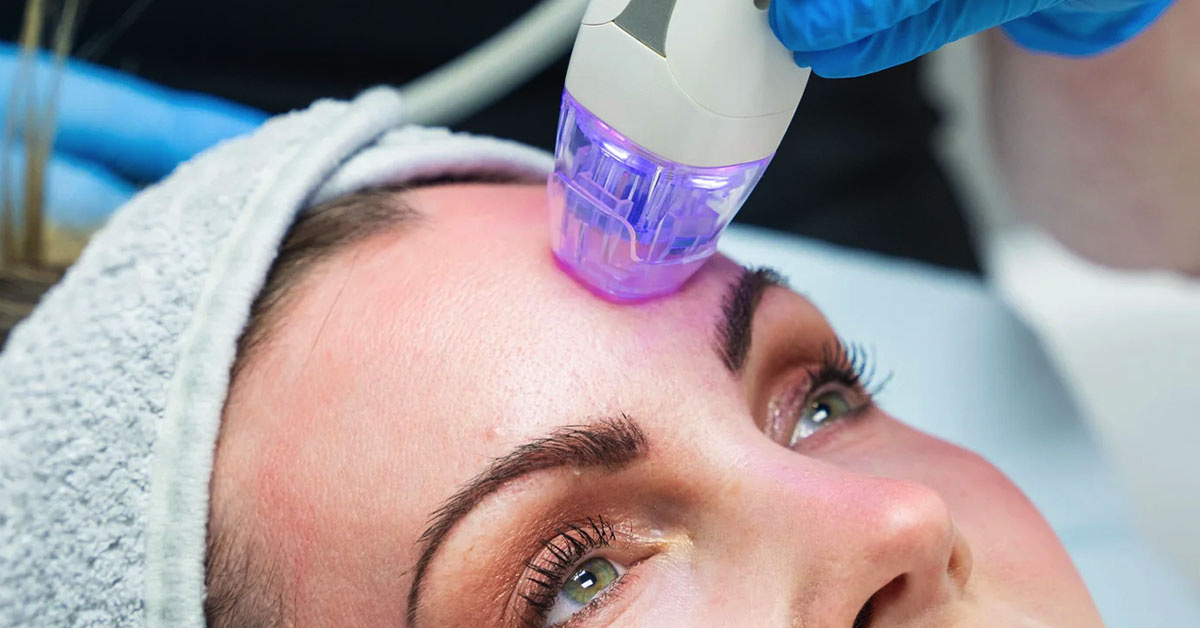
Home care does most of the work, but some treatments give skin a helpful push, especially in the colder months. A HydraFacial cleanses, gently exfoliates, clears pores and infuses hydrating serums in one appointment, with no downtime. Skin usually looks fresher straight away, the effect lasts around five to seven days, and many people come every four to six weeks. It's available at Chichester and Petersfield.
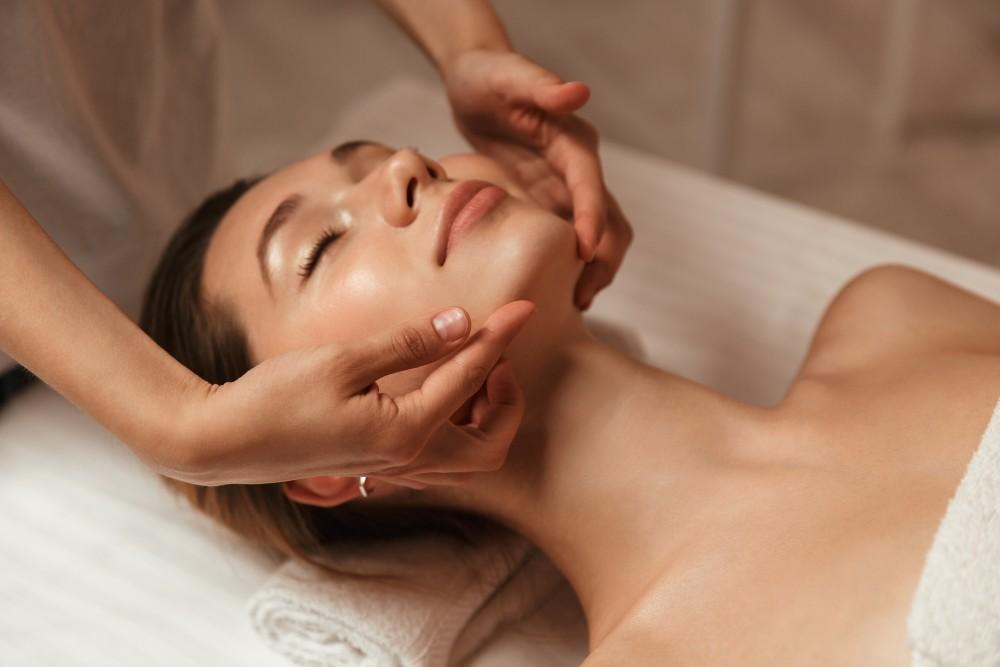
Our LAYER/28™ facials begin with an in-depth skin assessment. Reset suits skin that feels dull, congested or dehydrated. Repair is for skin that feels dry, depleted or sensitised and needs less rather than more. They're offered at Chichester, Petersfield and Bognor Regis, and once a month suits most people.
When dryness or dehydration keeps coming back, a skin booster works from within over a few weeks. Seventy Hyal 2000 uses high molecular weight hyaluronic acid for deep hydration, usually as two to three treatments two to four weeks apart, at Chichester, Petersfield and Bognor Regis. Profhilo and polynucleotides are offered at all four of our clinics, and your practitioner will explain which suits you. Not sure where to start? Our treatment quiz is a quick way to narrow things down.
When to get it checked, and who should wait
Some dryness is more than a skin type. If your skin is cracked, bleeding, very itchy or sore, if you have red, scaly or weeping patches, or if dryness appears suddenly and won't settle, please see a pharmacist or your GP. Conditions such as eczema and psoriasis need proper medical care, and a facial isn't the place to start.
A consultation always comes first for treatments, and your practitioner will look at your skin and medical history. Skin boosters are injectable treatments, so we'll ask you to wait if you're pregnant or breastfeeding, have an infection, a cold sore or broken skin in the area, or are unwell. Tell us about any medicines you take, including blood thinners.
Questions clients ask
Can oily skin be dehydrated?
Yes. Dehydration is about water, not oil, so oily and breakout-prone skin can feel tight and look dull while still being shiny. Heavy creams aren't usually the answer. A light, water-binding serum and a gentle cleanser often help more.
Why does my skin feel worse in winter?
Cold wind outside and dry, heated air inside both make it easier for skin to lose water. A gentler cleanser and a slightly richer moisturiser for the colder months helps most people.
Which skin booster is best for dehydrated skin?
It depends on your skin and what else is bothering you. Seventy Hyal and Profhilo are both hydration-led, and polynucleotides are often chosen for delicate or crepey areas. Your practitioner will recommend one at your consultation.

About the author
Tanisha Allen
Group Founder, Skin Expert
Founded the Group and still treats clients across its clinics. Leads the injectables side, teaches at the Academy and assists in the Group’s cosmetic plastic surgery.
More about TanishaRelated concerns: Dry Skin, Dull Skin, Sensitive Skin
This guide is general information, not medical advice. Results vary from person to person, and your practitioner will check what is suitable for you at your consultation.