I know how much acne scars can affect the way you feel, often long after the breakouts have gone. I also know how easy it is to spend money on the wrong thing. Scars come in different shapes and depths, and each type responds to different treatments.
The good news is that there's a lot we can do to soften them. What I want for you is a clear, honest plan that suits your skin.
Start with an assessment
Rolling scars have soft edges and look like gentle dips. Boxcar scars have sharper edges, and ice pick scars are deep and narrow. Many people have a mix. Each type behaves differently, so the first step is a proper look at your skin.
If you're not sure what you need, an Advanced In-Depth Skin Analysis is where I'd start. It's a 30 minute appointment with a practitioner and our skin analysis scanner, at all four of our clinics.
Subcision for tethered scars
Some scars are held down by fibrous bands that formed under the skin as it healed. Subcision releases those bands with a fine cannula, passed under the skin through a tiny entry point. The area is then treated with PRP, dermal filler or a biostimulator, to encourage new collagen.
Subcision suits rolling scars, and isn't usually right for ice pick scars. Bruising and swelling are expected, so don't book it just before an important event. It's available at Chichester, Petersfield and Eastergate.
Not sure which treatment is right for you?
Answer five quick questions and we will suggest where to start, at the clinic nearest you.
Microneedling for texture
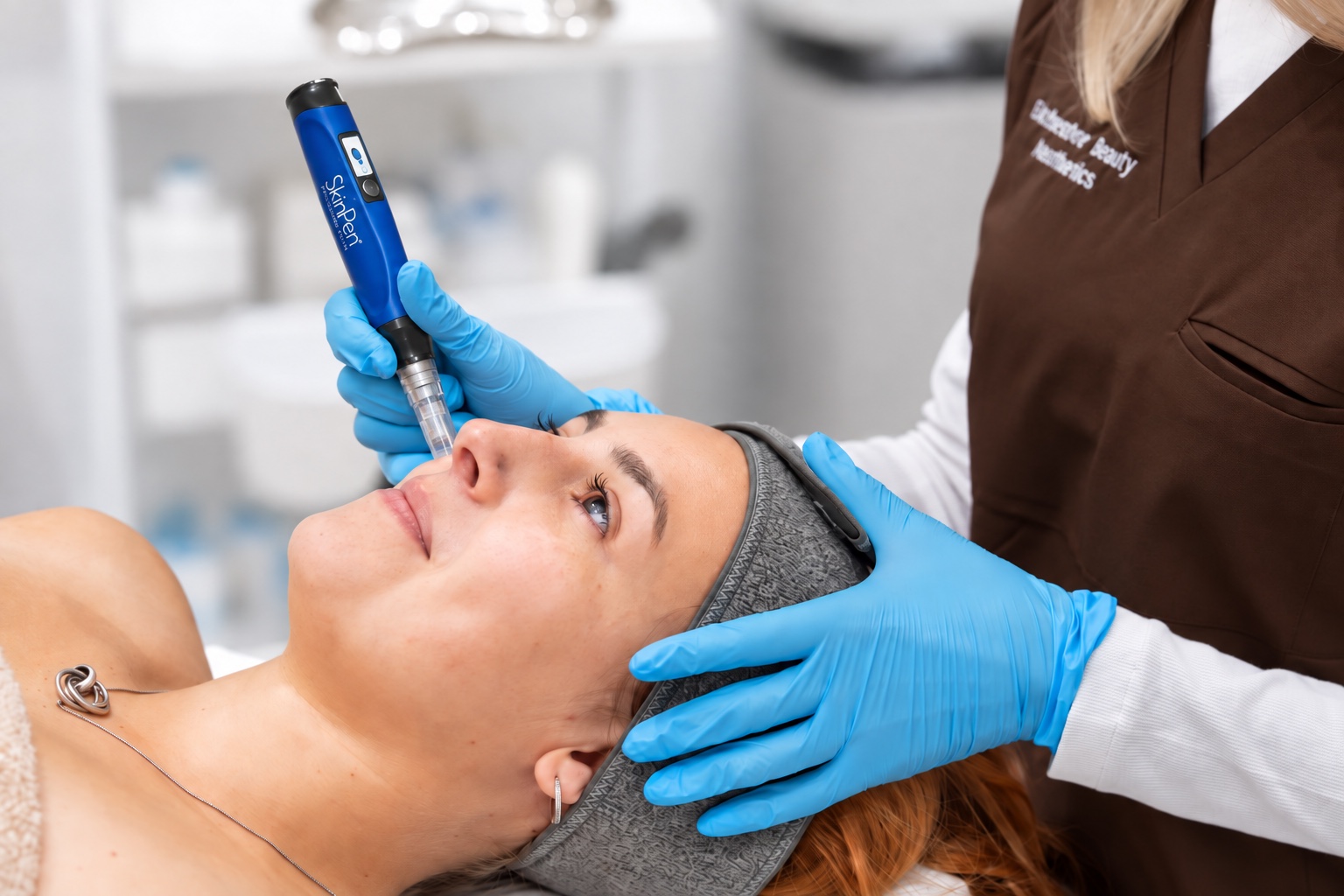
Microneedling encourages your skin's own repair and new collagen, which can soften scarring over a course. SkinPen Precision was the first microneedling device authorised by the US Food and Drug Administration to improve the appearance of facial acne scars in adults aged 22 and over. More established scarring often suits a six-treatment plan, with one to three days of pinkness after each session.
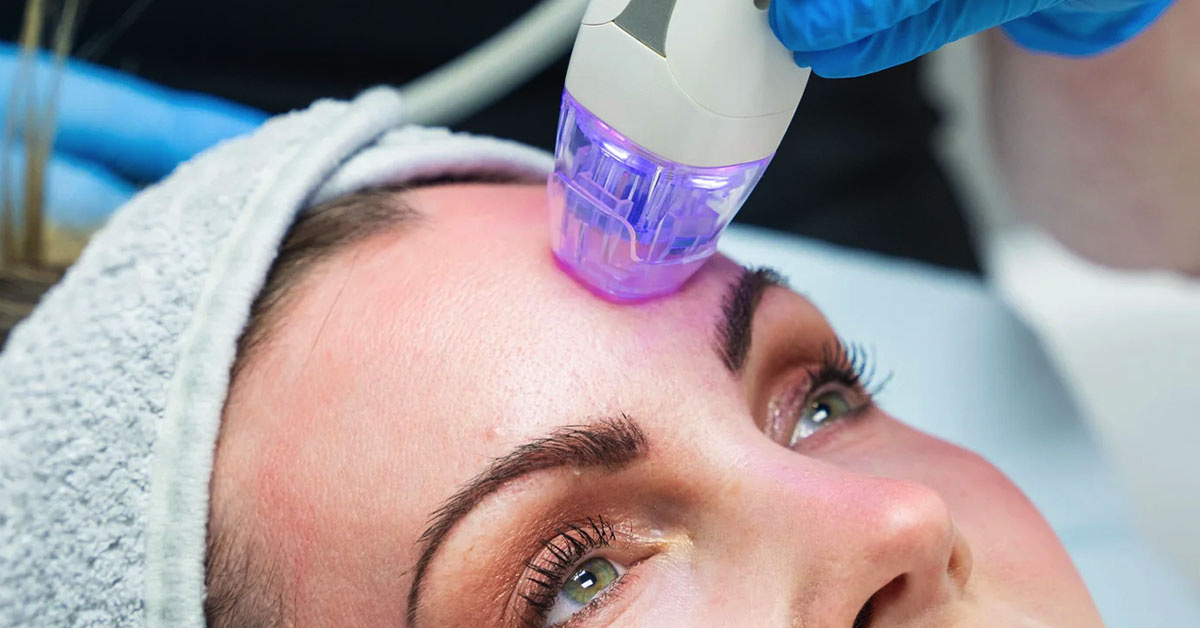
RF microneedling adds radiofrequency energy through the needles, for deeper collagen stimulation and some tightening. It's usually three sessions, four to six weeks apart, though deeper scars may need more. Expect two to three days of redness and swelling.
Laser resurfacing
iPixel is an ablative fractional laser. It treats tiny zones of skin at a time and leaves the skin around them intact to help healing. It can make a more noticeable difference to texture and scarring than gentler options, but there is downtime. Expect significant redness for three to five days and peeling for five to seven. Most people take time off work.
One to three sessions, six to eight weeks apart, are typical, and deep scars may need more. You'll need a patch test two weeks before, and to avoid the sun for four weeks afterwards. iPixel is available at Chichester and Petersfield.
Why a combined plan works
Most people have more than one type of scar, so a plan often uses more than one treatment. For example, subcision to release tethered scars, then microneedling or laser to refine the surface. Your practitioner plans the order and spacing so your skin can recover in between. A realistic plan usually means:
- Several months, rather than several weeks.
- Treatments spaced so your skin can recover.
- Daily SPF throughout.
- Gradual softening of scars, rather than removing them completely.
When to wait
Scar treatments work best once acne is under control, so if you still have active breakouts, we treat those first. Please tell us at your consultation if you're pregnant or breastfeeding, have an infection or cold sore in the area, have a history of raised or keloid scarring, take blood-thinning medicines, or have taken prescription acne medication in the last six months. Scars from injury or surgery may suit other approaches, and your practitioner can talk you through them.
Questions clients ask
Can acne scars be removed completely?
Honestly, no treatment can promise that. The aim is to improve how scars look, and most people see a gradual change over a course. Results vary from person to person.
Which treatment is best for acne scars?
It depends on your scar type, your skin and how much downtime you can manage. Many people do best with a combination, agreed with your practitioner at consultation.
How long before I see a difference?
Collagen builds slowly, so changes develop over weeks and months. After RF microneedling and iPixel, results build over four to eight weeks after each session.
Can I treat scars while I still get breakouts?
Active acne needs settling first, because needling and laser aren't used over active breakouts. Your practitioner can suggest treatments for your breakouts in the meantime.
About the author
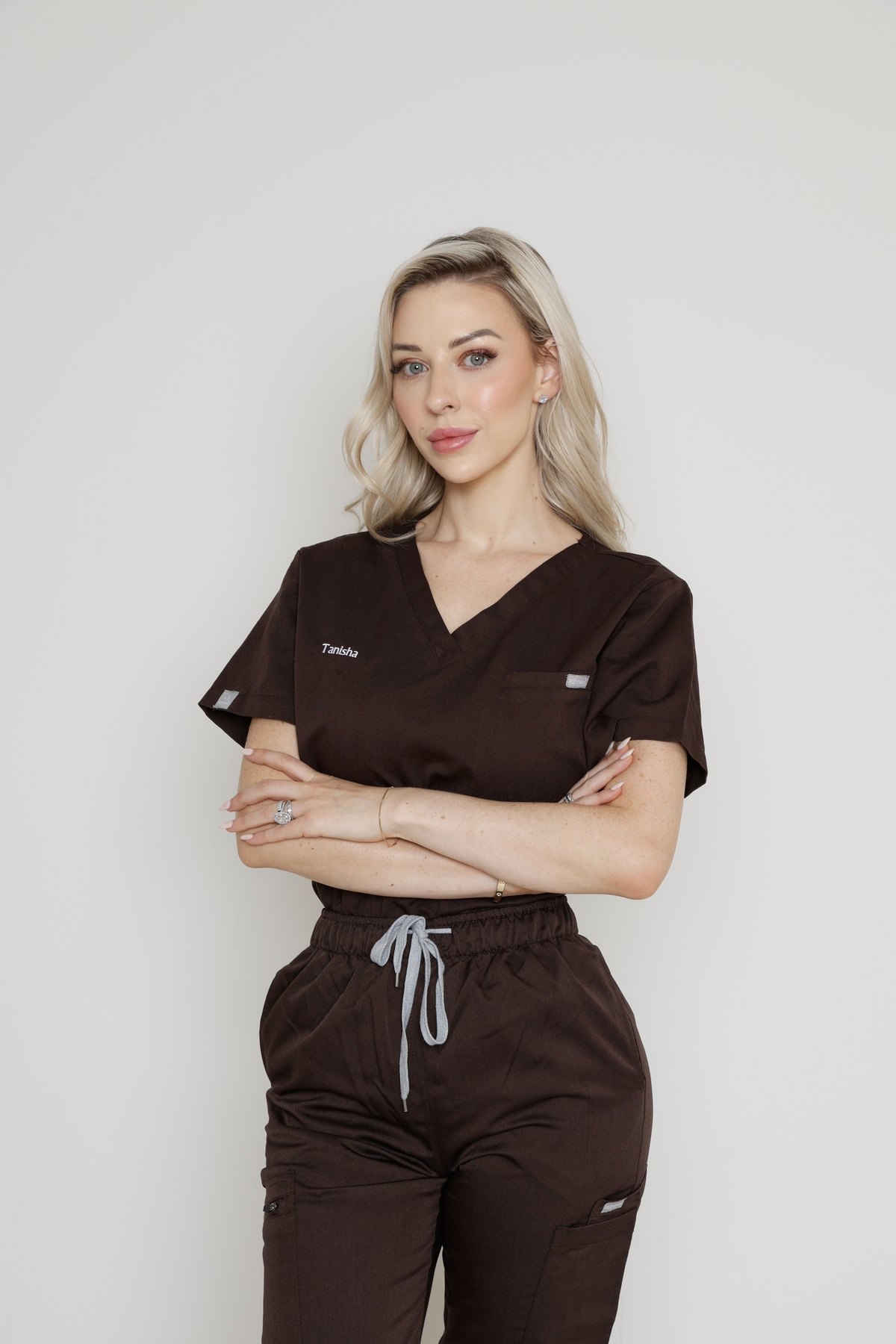
Tanisha Allen
Group Founder, Skin Expert
Founded the Group and still treats clients across its clinics. Leads the injectables side, teaches at the Academy and assists in the Group’s cosmetic plastic surgery.
More about TanishaRelated concerns: Acne Scarring, Scars
This guide is general information, not medical advice. Results vary from person to person, and your practitioner will check what is suitable for you at your consultation.