Exfoliating acids are some of the most useful ingredients in skincare, and some of the most overused. I often meet clients using an acid toner, serum and mask together, then wondering why their skin feels tight and sore.
I want you to get the benefits without the irritation. The three letters on the label tell you a lot, and once you know the difference, choosing one is much simpler.
What exfoliating acids actually do
Your skin sheds dead cells all the time, but the process can slow down or become uneven. That leaves skin looking dull and feeling rough. Exfoliating acids loosen the bonds that hold those dead cells together, so they lift away more evenly, without the rubbing a scrub relies on.
Used well, acids can leave skin brighter and smoother and help keep pores clearer. Used too often or too strongly, they can wear down your skin's protective barrier. That's why the type of acid and how often you use it matter more than the percentage on the bottle.
AHA, BHA and PHA, side by side
Each family has its own character:
- AHAs (alpha hydroxy acids) include glycolic, lactic and mandelic acid. They dissolve in water and work on the surface, so they suit dull skin, uneven tone and rough texture. Glycolic has the smallest molecule and tends to feel the most active. Lactic is a little gentler. Mandelic has a larger molecule and works more slowly, which is why it's often chosen for sensitive skin.
- BHA (beta hydroxy acid) usually means salicylic acid. It dissolves in oil, so it can work its way into the lining of the pore, where oil and dead cells build up. That makes it a good fit for oily skin, blackheads and congestion, and skin that breaks out easily.
- PHAs (polyhydroxy acids), such as gluconolactone and lactobionic acid, have larger molecules again. They exfoliate gently and help skin hold on to water, so dry or easily irritated skin often tolerates them better, as do people who find AHAs too much.
Not sure which treatment is right for you?
Answer five quick questions and we will suggest where to start, at the clinic nearest you.
Which one suits your skin?
Your practitioner will make the real recommendation, but as a starting point:
- Dull, uneven or rough skin without much sensitivity: an AHA such as glycolic or lactic acid.
- Oily skin, blackheads or regular breakouts: a BHA, salicylic acid.
- Dry, sensitive or reactive skin: a PHA, or mandelic acid at a low strength.
- Combination skin: a BHA on the oilier areas and something gentler elsewhere, or one product used less often.
How to start without overdoing it
Go slowly, and introduce one new product at a time:
- Choose one acid product, not several. A single serum or toner is far easier to judge.
- Use it two or three evenings a week on clean, dry skin, and build up only if your skin stays comfortable.
- Keep the rest of your routine simple: a gentle cleanser, a moisturiser and SPF.
- Don't use an acid on the same evening as retinol while your skin is getting used to both.
- Wear SPF 30 or higher every morning, because freshly exfoliated skin can be more sensitive to the sun.
- If you notice stinging, redness or a tight, shiny look, stop for a few days. Once your skin has settled, restart less often.
When a professional peel makes sense
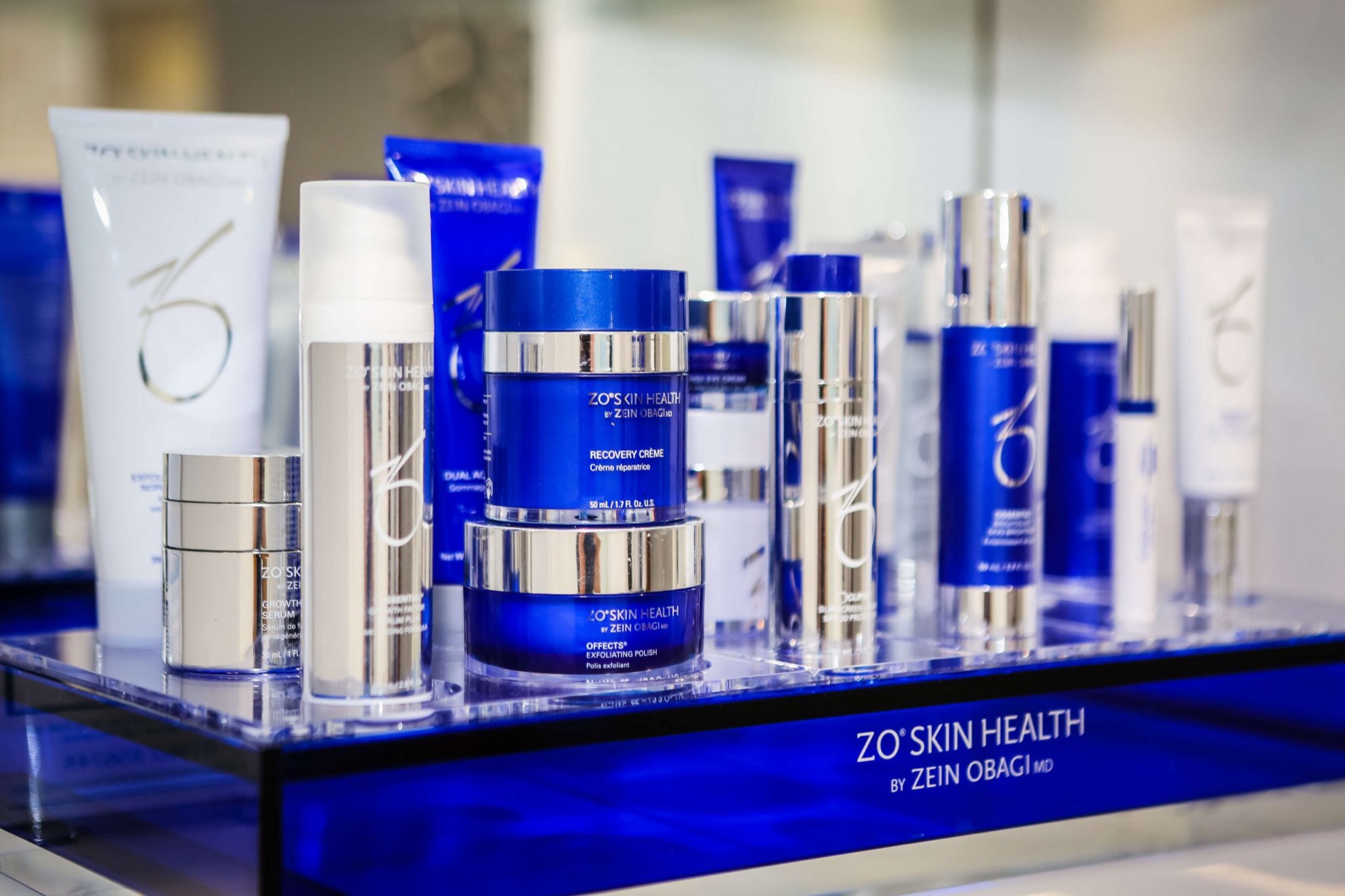
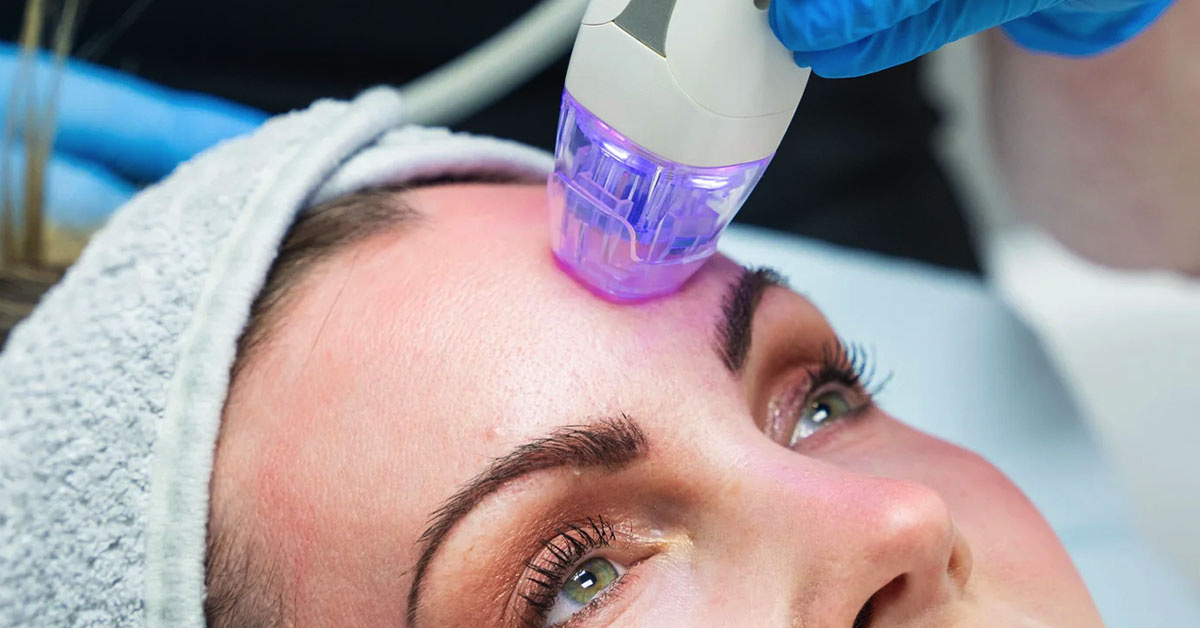
Home acids are made for regular, gentle use. A chemical peel uses stronger formulations, applied and timed by a practitioner, and a course can do more for congestion, uneven tone and texture than home products alone. We work with peels from AlumierMD, ZO Skin Health, CLINICCARE and BioRePeel. The ZO Restorative Peel, for example, combines mandelic, lactic and citric acids. BioRePeel uses a different acid, TCA, and is designed to cause little visible peeling.
Your practitioner will ask you to pause home acids before a peel, usually for a few days to a week depending on the treatment. Home products are chosen for you at a consultation or skin analysis, from the ZO Skin Health and AlumierMD ranges we stock.
Who should wait, and where to start
Please hold off on acids and peels if your skin is broken, sunburnt or infected, or if you have a cold sore. If you're pregnant or breastfeeding, check with your practitioner before starting a new exfoliating product, and stronger peels are usually postponed. If you have rosacea, eczema or very reactive skin, talk to us before using any acid. If you're allergic to aspirin, ask a pharmacist or your GP before using salicylic acid, as the two are closely related. If you take or have recently taken prescription skin medication, tell us at your consultation.
Not sure where your skin fits? Our treatment quiz is a quick place to begin. Or book an Advanced In-Depth Skin Analysis, at all four of our clinics, for a closer look and a plan.
Questions clients ask
Can I use an AHA and a BHA together?
Some products combine them at low strengths, and that can suit oily or congested skin. Separate acid products on the same evening are more likely to irritate, so start with one and ask your practitioner before adding a second.
How long until I notice a difference?
Skin can feel smoother within a few weeks of regular use. Tone and congestion usually take longer, often a couple of months, and results vary from person to person.
Is a scrub better than an acid?
Not usually. Gritty scrubs rely on rubbing, which can irritate skin, especially skin that breaks out. Acids loosen dead cells without friction, which is generally kinder.
Should I stop using acids in summer?
You don't have to, but daily SPF matters even more, and you might prefer a gentler acid or fewer evenings a week. If your skin feels sensitive before a holiday in strong sun, pause your acids until you're home.

About the author
Tanisha Allen
Group Founder, Skin Expert
Founded the Group and still treats clients across its clinics. Leads the injectables side, teaches at the Academy and assists in the Group’s cosmetic plastic surgery.
More about TanishaRelated concerns: Uneven Texture, Blackheads & Congestion, Dull Skin, Oily Skin
This guide is general information, not medical advice. Results vary from person to person, and your practitioner will check what is suitable for you at your consultation.