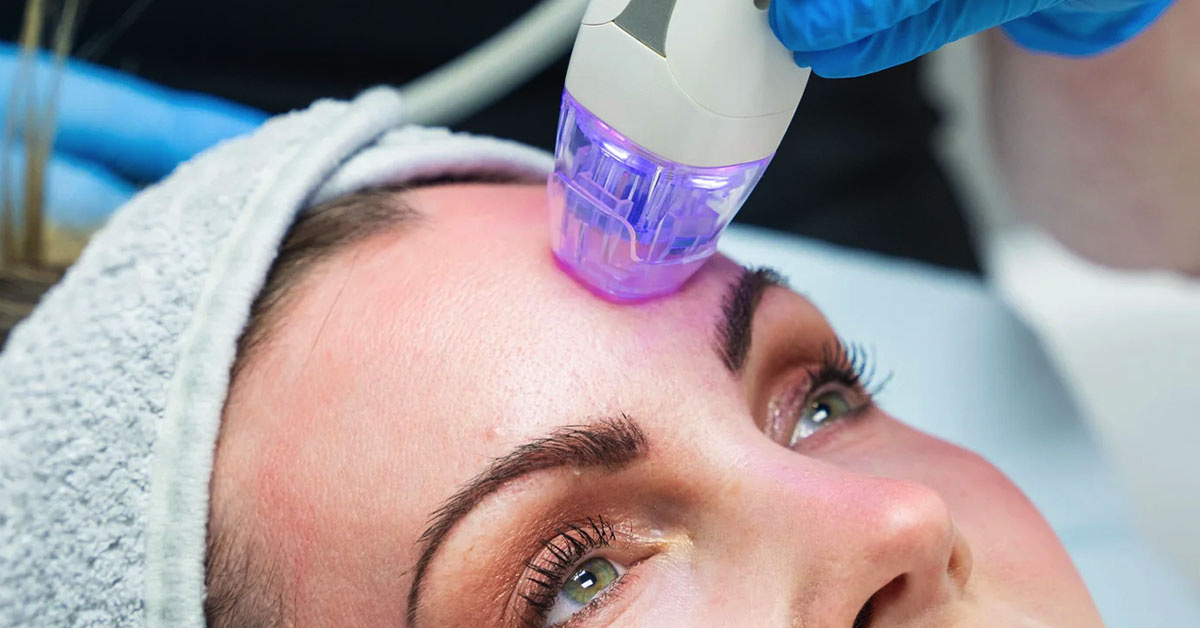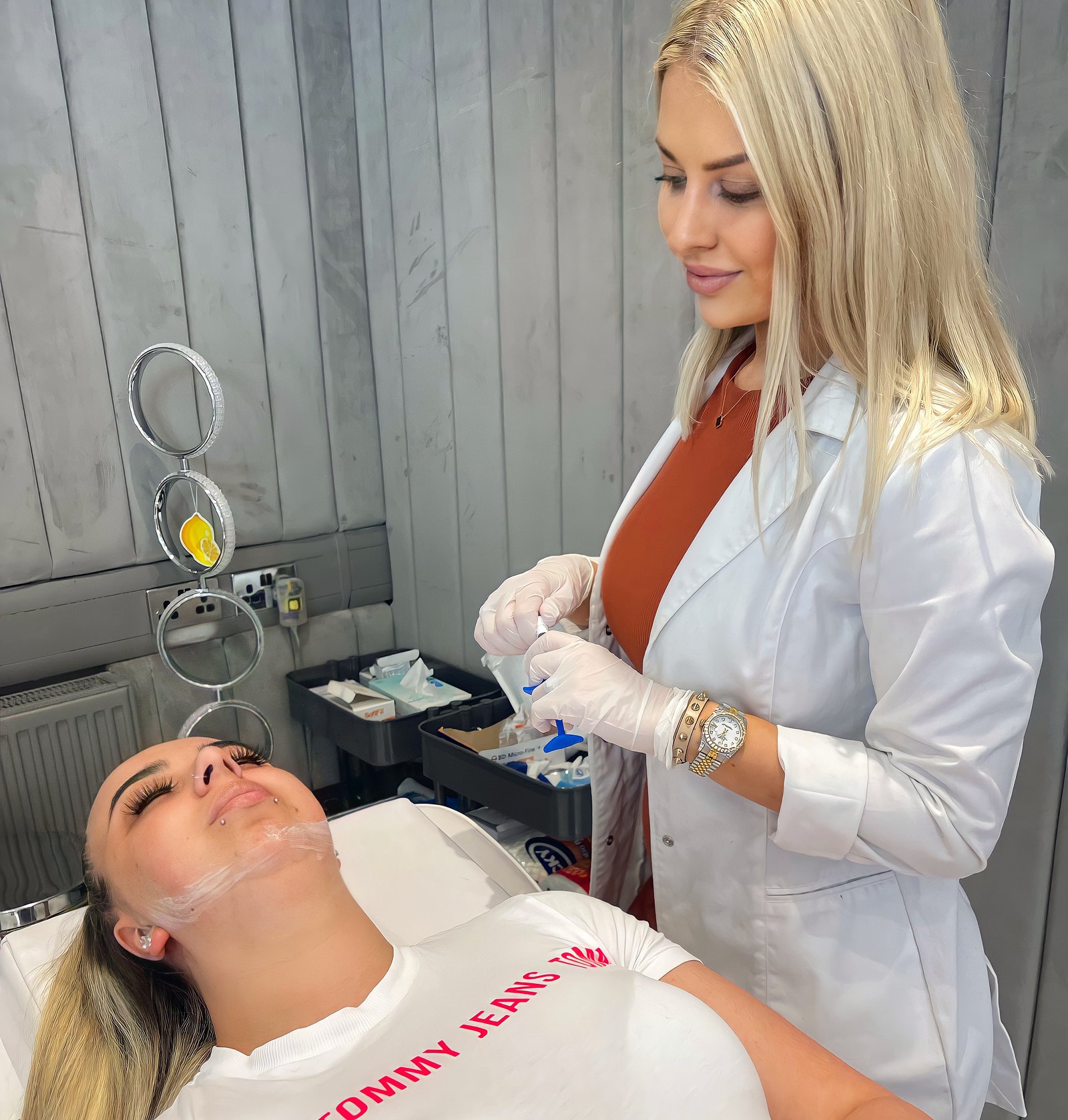
Skin boosters are one of the things I talk about most with clients, and I understand why they feel confusing. The names sound alike, and online they're often talked about as if they were one thing. They aren't, and the difference matters when it's your skin.
None of them is a filler. They're there to improve the quality of your skin, how hydrated, firm and fresh it looks, not to change your shape. I'd love you to walk into your consultation knowing what each one does, so here's how I explain the four we're asked about most.
What a skin booster does
Each booster on our menu is injected in small amounts into the skin. The aim is to support your skin's own hydration, and the collagen and elastin that keep it firm, so it looks smoother and more rested. The change builds slowly, which is why we usually plan a short course, with maintenance afterwards.
They're often a good fit for dry skin, dullness, early laxity and the thinner, crepey skin that can appear on the neck. What they won't do is lift a fold or replace lost volume. That's a different conversation, and I'd always rather be honest with you about it.
Profhilo: hydration and firmness
Profhilo is a bio-remodelling treatment with a high concentration of hyaluronic acid. Instead of staying where it's placed, it spreads beneath the skin. It's designed to stimulate collagen and elastin for better hydration, firmness and overall skin quality. On the face, your practitioner uses five injection points on each side, and the appointment takes around 15 to 20 minutes.
Most people have two treatments four weeks apart, then maintenance around every six months. Small bumps at the injection points settle within hours, and results improve over four to eight weeks. It can be used on the face, neck, décolletage and hands.
Not sure which treatment is right for you?
Answer five quick questions and we will suggest where to start, at the clinic nearest you.
Polynucleotides: support for repair
Polynucleotides are purified from salmon DNA and work in a different way. They're designed to support your skin's own repair, improving hydration, elasticity and the look of fine lines. That's why our practitioners often suggest them for delicate skin such as under the eyes, as well as the face, neck and hands.
A course is usually three to four treatments, two to four weeks apart, with maintenance every six to twelve months. Expect small bumps for a few hours and some redness or swelling for a day or two. The fuller benefit develops over four to eight weeks.
Seventy Hyal and Jalupro
Seventy Hyal 2000 uses high molecular weight hyaluronic acid, placed with lots of tiny injections across the skin. It's chosen for deep hydration and a smooth, dewy finish. Two or three sessions are usually enough to start, spaced a few weeks apart, then a top-up every four to six months. You'll find it at our Chichester, Petersfield and Bognor Regis clinics.
Jalupro takes a different route. It contains amino acids, the building blocks of collagen and elastin, so it's often suggested for more mature skin or early laxity. Most people have three or four sessions, around a fortnight apart, and see results build over four to eight weeks.
How we help you choose
There's no single best booster. There's only the one that suits your skin and what's bothering you. As a rough guide:
- Skin that feels dry, dull or tight: a hydration-led booster such as Profhilo or Seventy Hyal.
- Crepey skin on the neck or under the eyes: polynucleotides are often considered.
- Skin that has lost some firmness: Profhilo or Jalupro.
- Skin that has changed around menopause: often a plan that combines more than one.
Before you book
Please treat these as starting points only. Boosters are injectable treatments, so a consultation always comes first, and your practitioner will look at your skin and your history before suggesting anything. Tell us about any medicines you take, particularly blood thinners, and any allergies. We'll ask you to wait if you're pregnant or breastfeeding, have an infection, cold sore or broken skin in the area, or are unwell. You'll find prices for each booster and course on our price list.
Questions clients ask
Is a skin booster the same as filler?
No. Boosters are designed to improve skin quality, hydration and firmness. Filler adds volume or shape. Some people have both, planned separately.
How soon will I see a difference?
Some people notice fresher-looking skin within days, but the main change builds over two to eight weeks, depending on the booster. Results vary from person to person.
Do skin boosters hurt?
Most people describe mild discomfort or stinging with each small injection. Appointments are short, usually 15 to 30 minutes, and your practitioner will check you're comfortable throughout.
Can I have more than one booster?
Often, yes. Profhilo and polynucleotides work differently and can complement each other, and boosters can also sit alongside skin treatments such as microneedling. Your practitioner will plan the order and spacing.

About the author
Tanisha Allen
Group Founder, Skin Expert
Founded the Group and still treats clients across its clinics. Leads the injectables side, teaches at the Academy and assists in the Group’s cosmetic plastic surgery.
More about TanishaRelated concerns: Dry Skin, Crepey Neck & Neck Lines, Dull Skin, Menopausal Skin
This guide is general information, not medical advice. Results vary from person to person, and your practitioner will check what is suitable for you at your consultation.