The under-eye area is where most of us first notice we look tired, even when we feel fine. It's also where I see the most confusion. Dark circles, hollows and puffiness get lumped together, but each has a different cause and a different answer.
This is some of the thinnest skin on your face, so it deserves gentle care and honest advice. I'd rather you understood what you're seeing before you spend anything, so here's how I explain it.
Three problems that look alike
Dark circles are usually about colour. Some people have more pigment under the eyes, which shows as a brown tone and often runs in families. For others the skin is thin enough for the blood vessels beneath to show through. That looks blue or purple, and tends to look worse when you're tired or run down.
Hollows are about shape. With age, or simply because of how a face is made, the area where the lower eyelid meets the cheek sinks a little and catches shadow. This groove is often called the tear trough. Puffiness is different again. Morning puffiness is usually fluid and settles as the day goes on, while bags that stay all day can come from fat that pushes forward with age, or from skin that has lost its firmness.
How to work out what you're seeing
Most people have a mix. Try this in front of a mirror, in daylight if you can:
- Look straight ahead with the light above you, then tilt your face up towards it. If the darkness fades, it's mostly shadow from a hollow.
- If the colour stays the same, it's more likely pigment or thin skin. Brown suggests pigment, and blue or purple suggests visible blood vessels.
- If the area looks fuller first thing and better by lunchtime, fluid is probably playing a part.
- If there's a soft bulge that stays all day and shows more when you look upwards, it may be fat beneath the skin.
Not sure which treatment is right for you?
Answer five quick questions and we will suggest where to start, at the clinic nearest you.
What helps at home
These small habits can make a real difference to puffiness and to how tired the area looks.
- Sleep with your head slightly raised if you often wake up puffy.
- Go easy on salt and alcohol in the evening, as both can make morning puffiness worse.
- Hold something cool, like a chilled flannel, against the area for a few minutes in the morning.
- Try not to rub your eyes. If hay fever or another allergy makes them itch, a pharmacist can help.
- Wear SPF and sunglasses, because the sun can deepen pigment and weaken thin skin over time.
- A simple eye cream keeps the skin comfortable, but no cream can remove fat or fill a hollow.
Treatments for the under-eye area
For darker, thin or crepey skin, our practitioners often start with Lumi Eyes, a specialist under-eye treatment using polynucleotides. It's designed to improve skin quality, pigmentation and fine lines, and to soften the look of hollowness, without adding volume. Most people have three sessions, two to three weeks apart, with maintenance every six months. Expect small bumps for a few hours and mild swelling for a day or two. Results build over two to four weeks. Lumi Eyes and polynucleotides are offered at all four of our clinics.
For a true hollow, tear trough filler places very small amounts of a specialised filler to smooth the line between the lower eyelid and the cheek. It needs an experienced practitioner and a thorough consultation, because not everyone is suitable. Marked loose skin, heavy bags or swelling on the upper cheek usually point to a different treatment. Swelling and bruising are very common for seven to fourteen days, the final result shows at three to four weeks, and it typically lasts nine to twelve months. It's offered at our Chichester, Petersfield and Eastergate clinics.
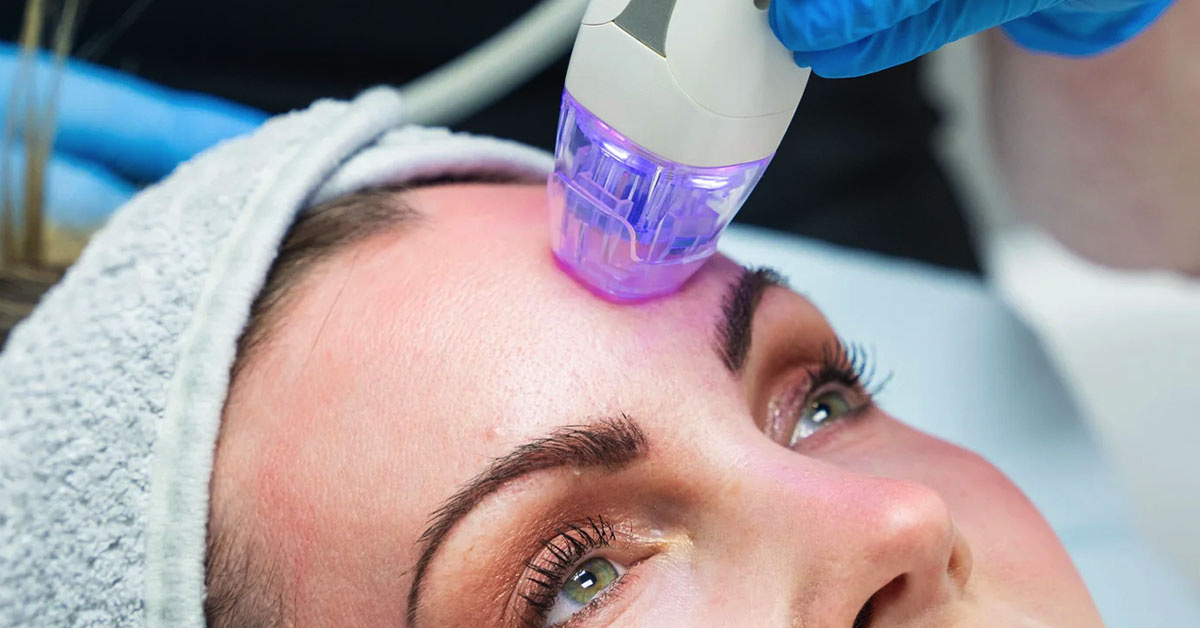
Where the skin has lost firmness, RF microneedling combines fine needles with radiofrequency energy to encourage collagen and tighten the skin, usually as three sessions four to six weeks apart, with redness and swelling for two to three days. If bags are caused by fat, no injection or energy treatment will remove them, and surgery (a lower blepharoplasty) is often the most effective route. Your practitioner will be honest with you about that, and so will I.
When to get it checked, and who should wait
Some changes around the eyes are medical rather than cosmetic. Ask for an urgent GP or optician appointment, or contact NHS 111, if an eyelid is red, hot, painful or blistered, if it droops suddenly, or if you have eye pain, a very red eye, sensitivity to light or any change in your vision. See your GP if puffiness is new and doesn't settle, or if you notice yellowish patches around your eyes.
Every under-eye treatment begins with a consultation. We'll ask you to wait if you're pregnant or breastfeeding, have an eye or skin infection, a cold sore or broken skin nearby, or are unwell. Tell us about all your medicines, particularly blood thinners, but never stop a medicine your GP has given you without speaking to them first.
Questions clients ask
Will I need filler for dark circles?
Not always. Filler helps when the darkness is mostly shadow from a hollow. When it's pigment or thin skin, Lumi Eyes or polynucleotides are usually a better place to start, and sometimes both are recommended.
Does treatment under the eyes hurt?
The area is sensitive, but the needles are very fine and most people find it manageable. Numbing cream can be used for Lumi Eyes if you'd like, and is applied before RF microneedling. Your practitioner will check you're comfortable throughout.
How far ahead of an event should I have treatment?
Leave at least two weeks after Lumi Eyes, and three to four weeks after tear trough filler, as bruising and swelling can last up to two weeks.
About the author
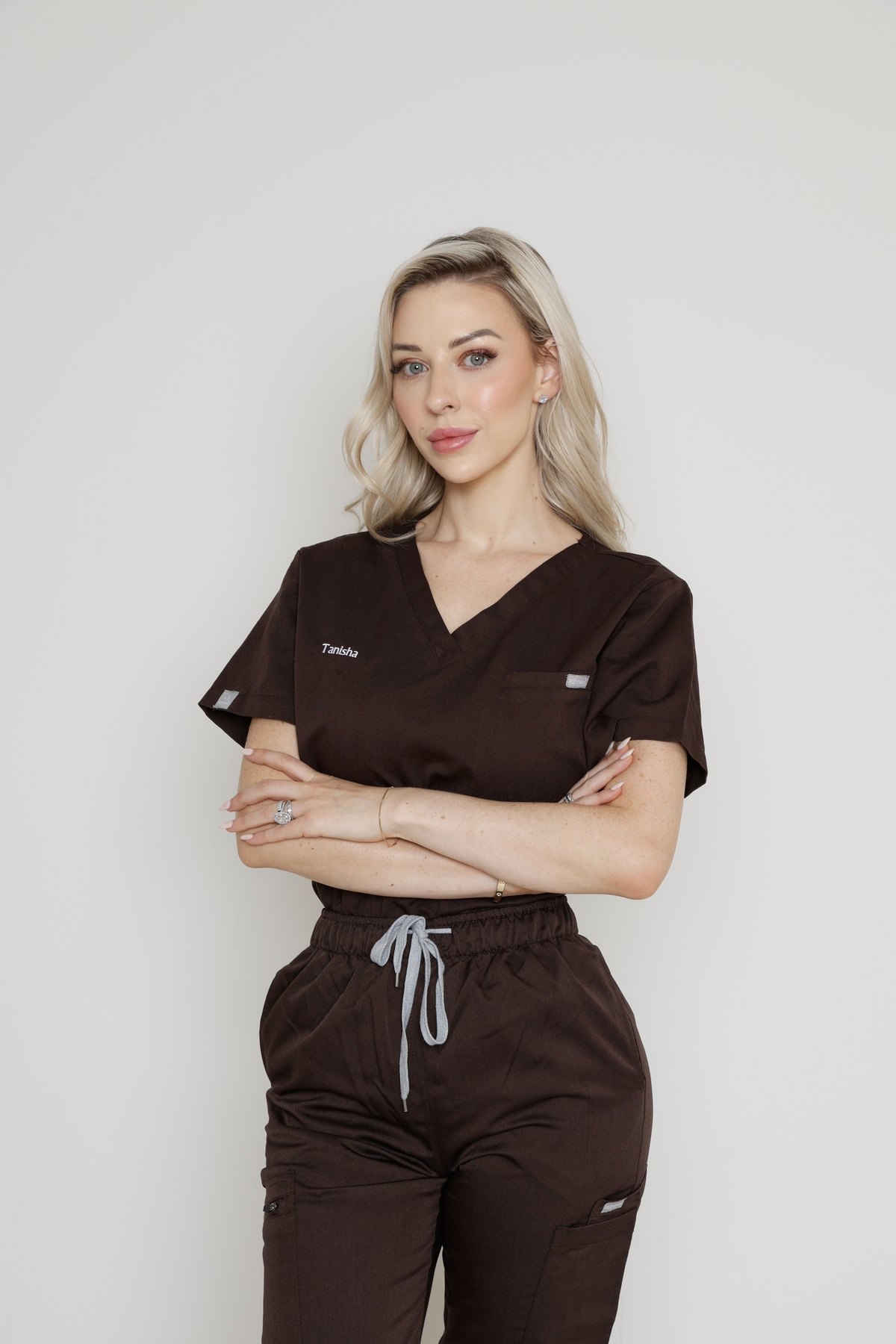
Tanisha Allen
Group Founder, Skin Expert
Founded the Group and still treats clients across its clinics. Leads the injectables side, teaches at the Academy and assists in the Group’s cosmetic plastic surgery.
More about TanishaRelated concerns: Tired Eyes, Eye Bags
This guide is general information, not medical advice. Results vary from person to person, and your practitioner will check what is suitable for you at your consultation.