The word peel puts a lot of people off. They picture red, raw skin and a week hiding at home. Most of the peels we use are far gentler than that, and some leave no visible peeling at all.
I'd love you to feel relaxed about it. A good peel, chosen well, can do a lot for tired, uneven skin, and our practitioners choose the type and strength for you. Here's what to expect.
What a peel actually does
A chemical peel uses acids to loosen and lift away dead skin cells and encourage your skin's natural renewal. Skin looks fresher, brighter and smoother. Over a course, peels can help with uneven tone, congestion, texture and early signs of ageing.
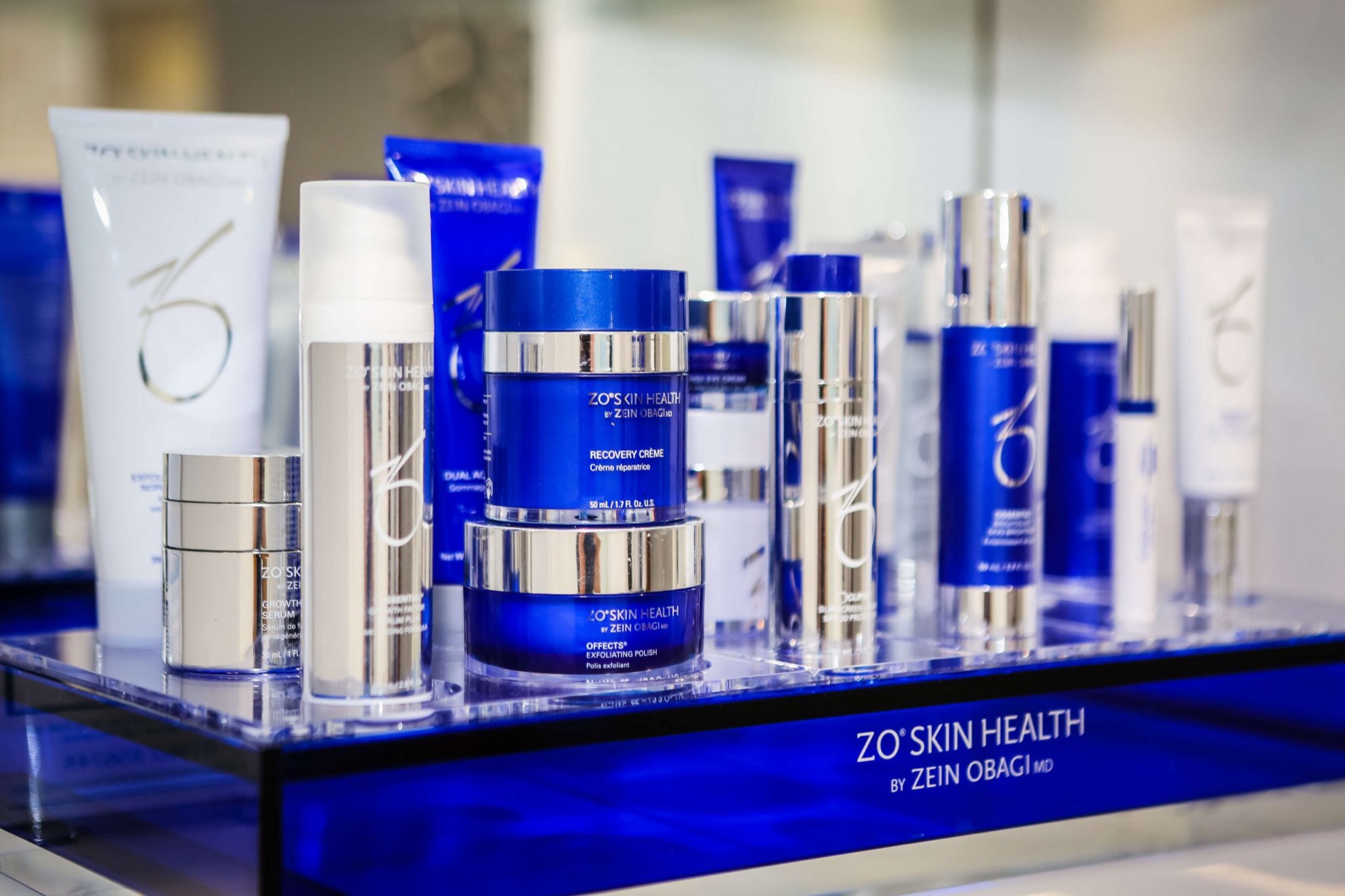
We work with peels from AlumierMD, ZO Skin Health, CLINICCARE and BioRePeel, so there's plenty of choice. Mandelic acid, for example, is often used for sensitive skin, and salicylic acid for breakouts.
On the day
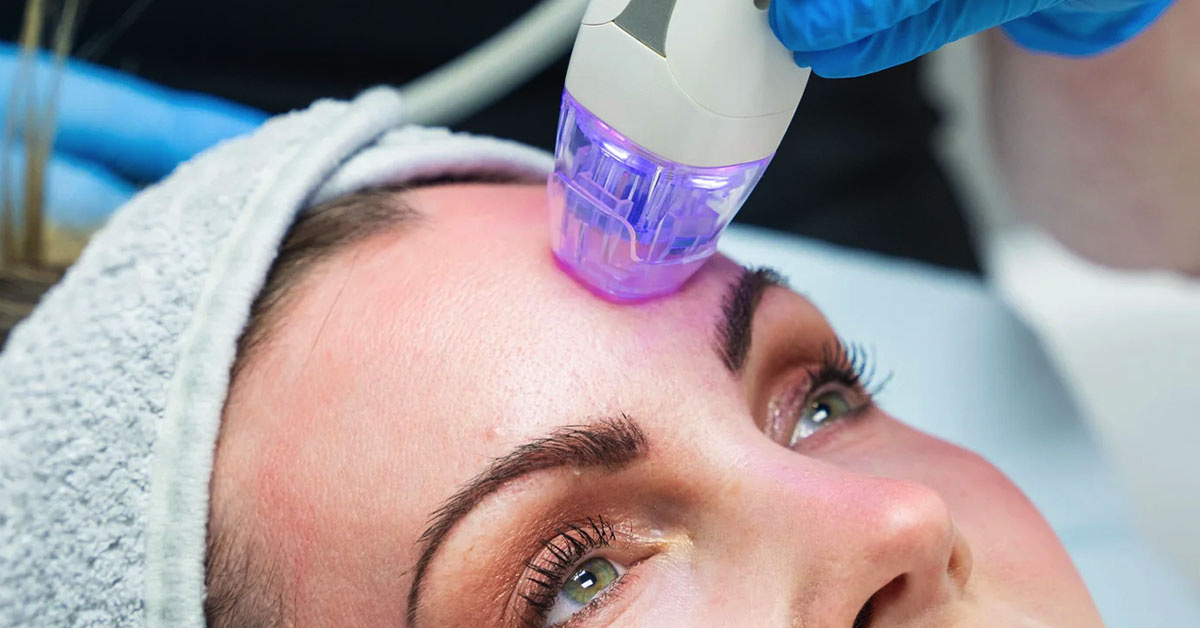
Your practitioner looks at your skin and cleanses it, then applies the peel, often in layers. Most people feel tingling or warmth. The peel stays on for a set time and is then removed or neutralised. The appointment usually takes 30 to 60 minutes, and you finish with soothing products and SPF.
Not sure which treatment is right for you?
Answer five quick questions and we will suggest where to start, at the clinic nearest you.
How much downtime to expect
This is the question everyone asks. The honest answer is that it depends on the depth of the peel:
- Gentle peels and peel facials: often no visible peeling. The ZO Invisapeel and the AlumierMD Enzymatic Peel sit here, and skin looks pink for a few hours at most.
- Light peels: some tightness and light flaking for two to three days. This can happen after a ZO or AlumierMD peel, depending on the strength.
- BioRePeel: a 35% TCA peel designed to give the benefits of a peel with minimal visible peeling. Skin may feel tight for 24 to 48 hours, with mild flaking possible on days two and three.
- Medium-depth peels: more noticeable peeling for five to seven days, so plan around it.
Peels for pigmentation, breakouts and texture
Peels are a regular part of our plans for pigmentation, acne-prone skin and uneven texture. A single peel mainly gives a glow. A course of four to six peels, two to four weeks apart, usually does more. BioRePeel courses are often closer together, one to two weeks apart.
Melasma needs particular care, because the wrong treatment can make it worse. Our practitioners take a gradual approach with professional peels, medical-grade skincare and daily sun protection. We stock the ZO and AlumierMD home ranges, so your practitioner can build a routine that carries on the work between appointments.
Aftercare: what matters most
No visible peeling doesn't mean a peel hasn't worked. Renewal still increases underneath. Whatever peel you have, the aftercare is similar:
- Let your skin shed naturally. Don't pick or pull at flaking skin.
- Wear SPF every day, and avoid direct sun.
- Use gentle skincare and pause active ingredients for a few days.
- After a stronger peel, avoid make-up until your practitioner says it's fine.
Before you book
For up to a week before a peel, depending on the type, stop retinol, AHAs, BHAs and other active skincare, and avoid sun exposure, sunbeds and fake tan. A patch test may be needed. We may ask you to wait if you're pregnant or breastfeeding, or have a cold sore, infection, broken skin or recent sunburn in the area. If you've taken prescription acne or skin medication recently, or have a skin condition such as eczema or rosacea, tell us at your consultation.
Questions clients ask
Will my face peel?
Not always. Gentle peels often cause no visible peeling, light peels may cause some flaking for a few days, and medium-depth peels cause more noticeable peeling for up to a week. Your practitioner will tell you what to expect from yours.
How many peels will I need?
One peel gives a fresher look. For pigmentation, breakouts or texture, a planned course makes the lasting difference. Results vary from person to person.
Can I have a peel in summer?
Some peels suit the darker months better, but BioRePeel is suitable all year round. Whatever the season, daily SPF is essential after any peel.
Can I wear make-up afterwards?
After a gentle peel facial, you can usually go straight back to your day, make-up and all. Stronger peels mean a few make-up-free days while your skin settles.
About the author
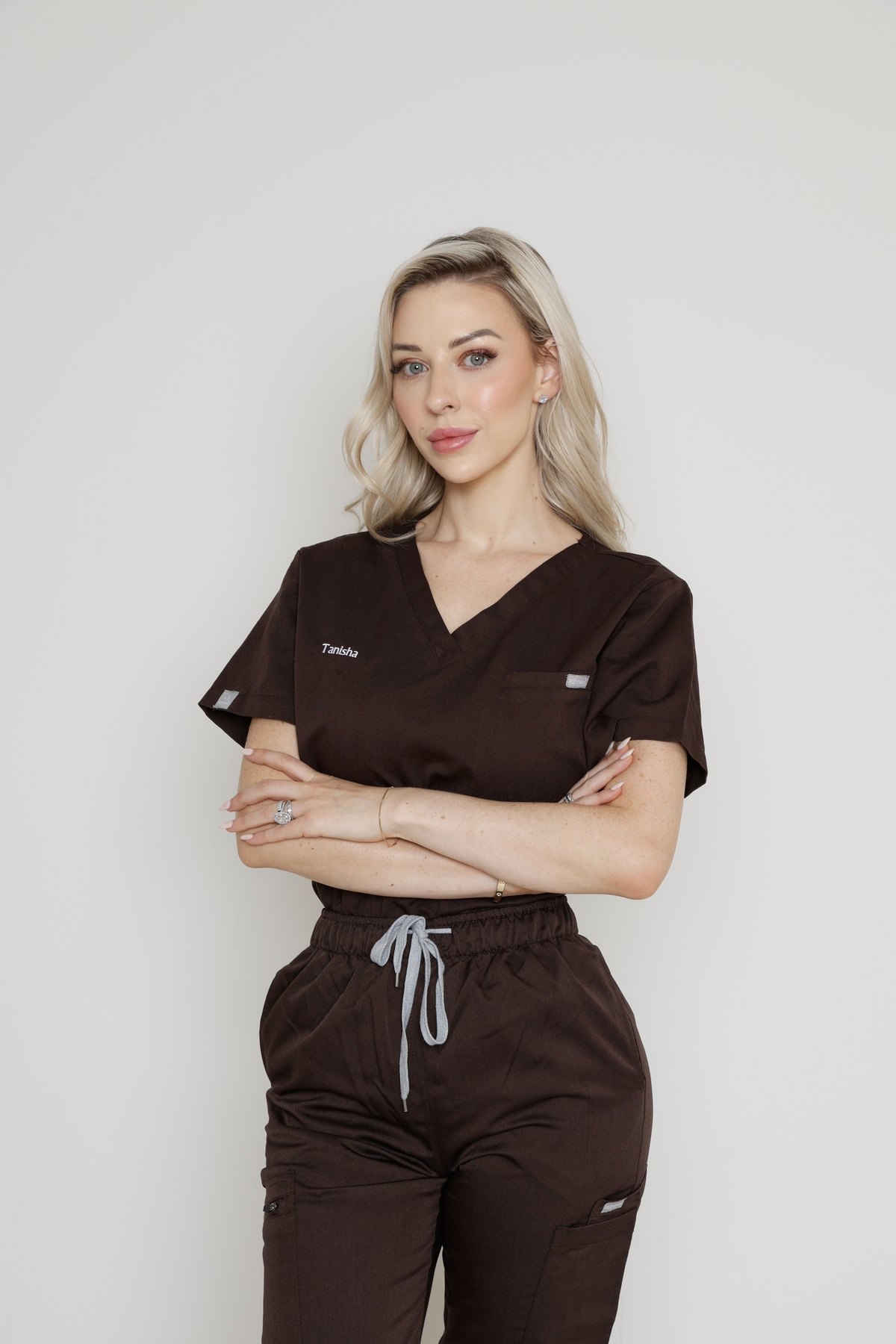
Tanisha Allen
Group Founder, Skin Expert
Founded the Group and still treats clients across its clinics. Leads the injectables side, teaches at the Academy and assists in the Group’s cosmetic plastic surgery.
More about TanishaRelated concerns: Pigmentation, Uneven Texture, Acne & Breakouts, Melasma
This guide is general information, not medical advice. Results vary from person to person, and your practitioner will check what is suitable for you at your consultation.