Retinol has a reputation for being difficult. Plenty of people try it once, end up red and flaky, and decide it's not for them. Usually the ingredient was fine. The start was just too fast.
I've tried and tested thousands of products, and with retinol, patience matters far more than strength. I'd much rather you started slowly and stayed with it. Here's the approach I share with my clients.
What retinol is, and what it can help with
Retinol is a form of vitamin A. Once it's absorbed, your skin converts it, step by step, into the form it can use, which encourages cells to renew more regularly. Over time, that can help skin look smoother and more even, soften the look of fine lines, refine rough texture and help keep pores clearer.
It works gradually, so use it regularly for around three months before deciding whether it suits you. Results vary from person to person. Stronger forms of vitamin A are only available on prescription and aren't covered here.
Retinyl esters, retinol and retinal
You'll see a few names on labels. Think of them as a scale from gentle to more active:
- Retinyl esters, such as retinyl palmitate, are the gentlest, because your skin has more steps to convert them. They can suit very sensitive skin.
- Retinol is the most familiar and comes in a range of strengths. A low strength is the right place to begin.
- Retinal, also called retinaldehyde, is one step closer to the form your skin uses, so it tends to work faster. It often suits people who already use retinol comfortably.
Not sure which treatment is right for you?
Answer five quick questions and we will suggest where to start, at the clinic nearest you.
Why the first few weeks can feel uncomfortable
As your skin gets used to retinol, you may notice dryness, light flaking, tightness, mild redness or a little tingling, and some people get a few extra spots at first. This usually peaks in the first two to four weeks and eases as your skin adjusts.
Discomfort is a sign to slow down, not to push through. What I tell my clients is that a higher percentage isn't automatically better: the formula, how often you use it and how your skin responds matter more. Burning, swelling, broken skin or a rash aren't part of the process, so stop using it and speak to us, or to a pharmacist or your GP if the reaction is severe.
A gentle way to start
This is a sensible starting point, which your practitioner can adjust for your skin:
- Weeks one and two: a pea-sized amount for the whole face, two evenings a week, on clean, dry skin.
- Weeks three and four: three evenings a week, if your skin feels comfortable.
- After that: every other evening, and nightly only if your skin is happy with it.
- Keep it away from the corners of your eyes and nose, and from your lips.
- Follow with a simple moisturiser. If your skin is sensitive, apply moisturiser before and after to cushion it.
- Keep exfoliating acids and scrubs for other evenings, or pause them while you start.
- If you miss an evening, just carry on as normal. Don't double up.
- Wear SPF 30 or higher every morning, all year round.
Retinol and your clinic treatments
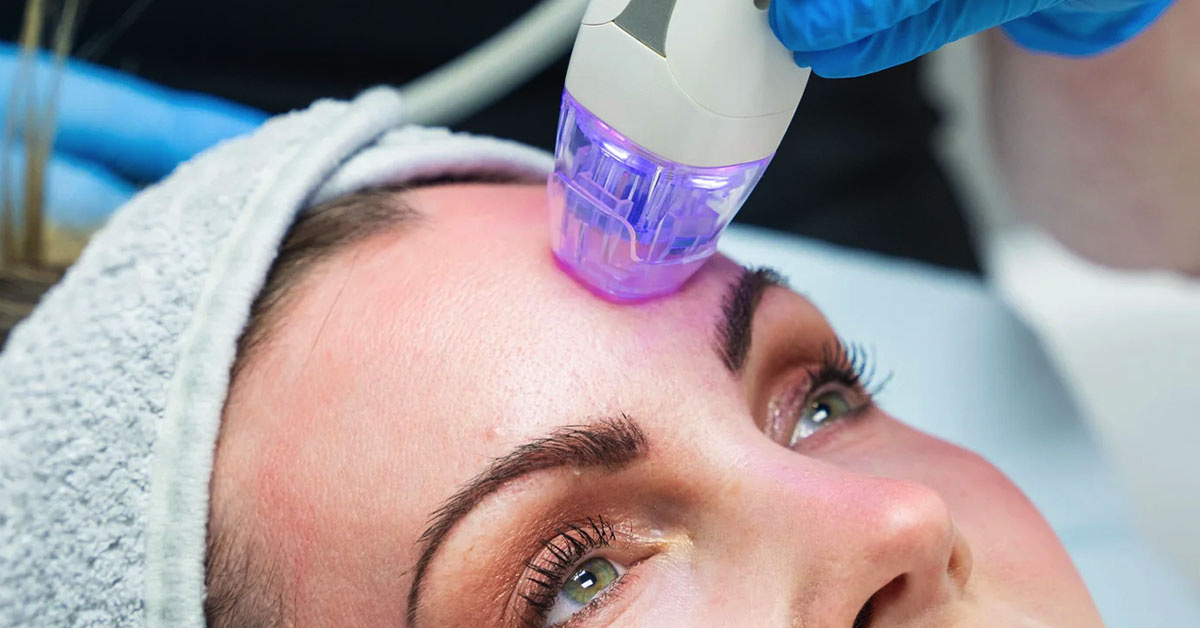
Retinol goes on in the evening because light breaks it down, and it needs pausing before some treatments. Depending on the treatment, our practitioners ask you to stop it for anything from 48 hours to a week beforehand, with a week usual before chemical peels and microneedling. Avoid waxing any area where you use retinol, as the skin can lift, and your practitioner will tell you when to restart after a treatment.
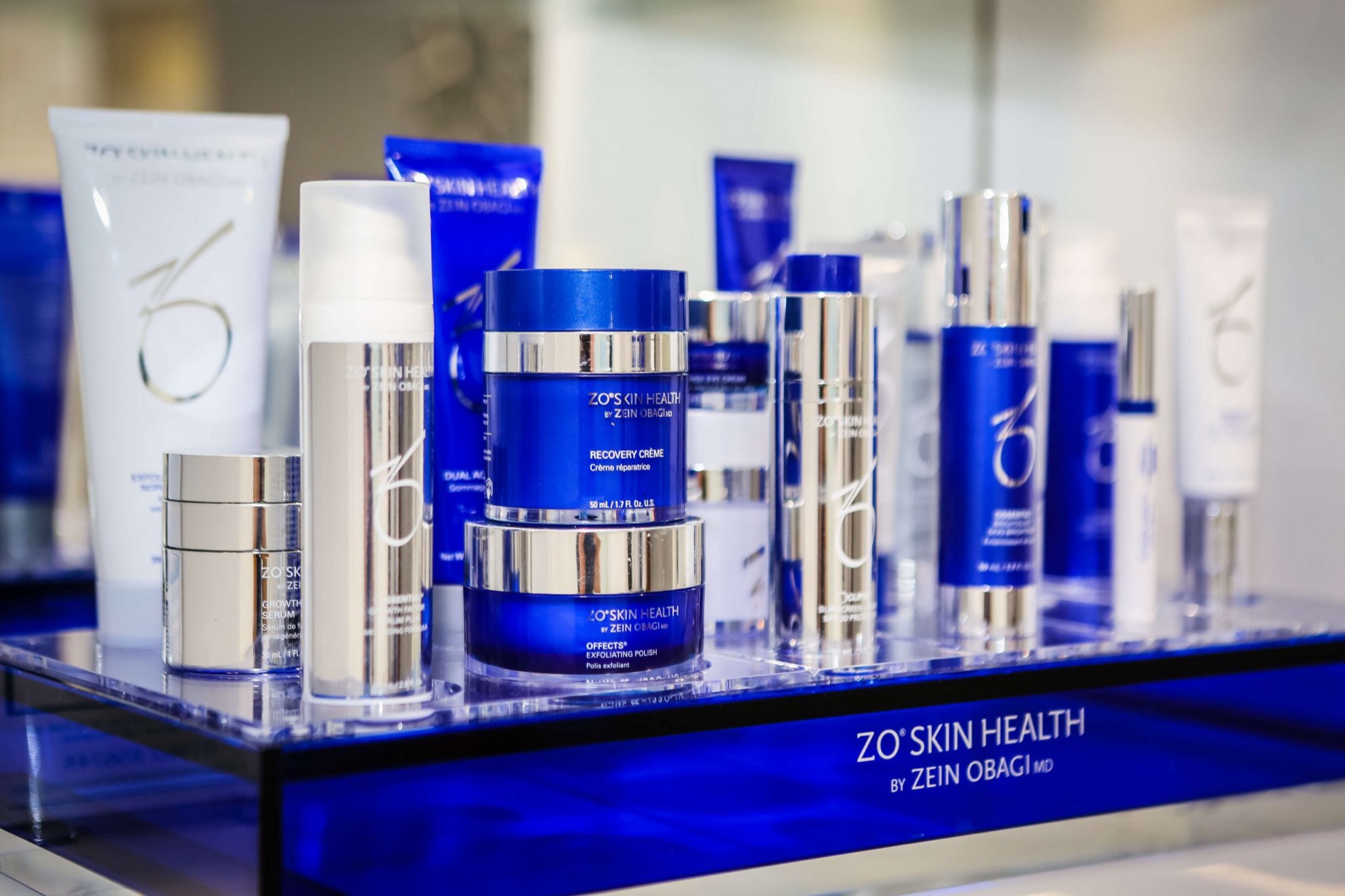
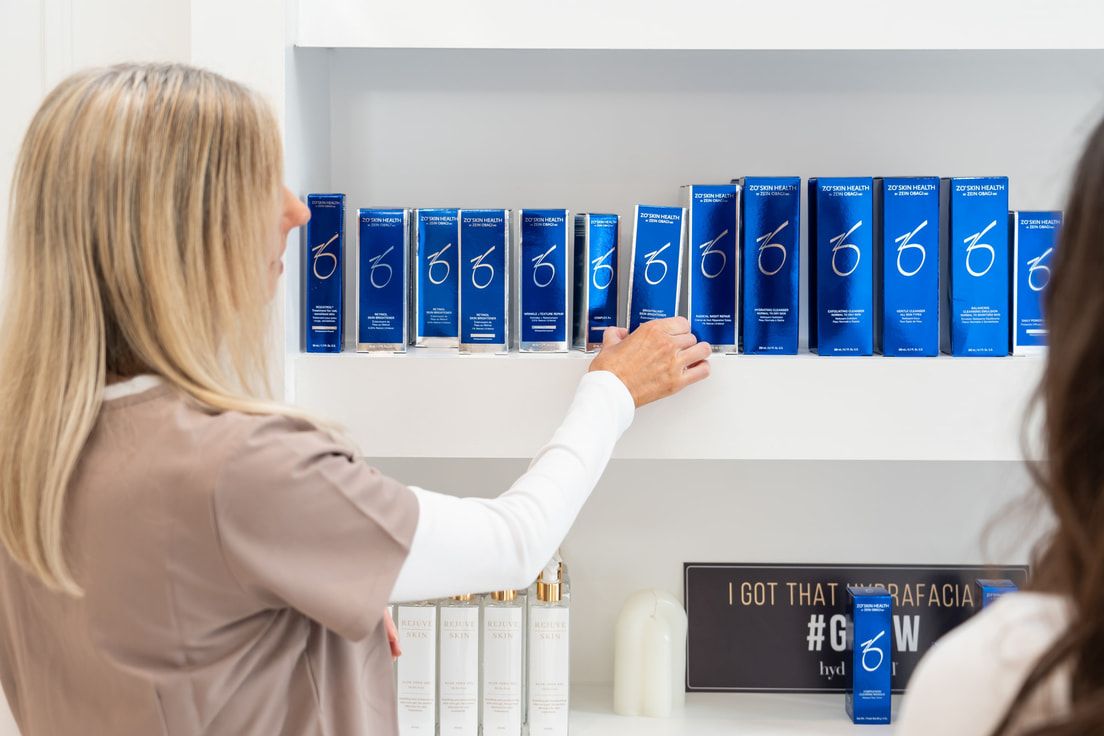
ZO Skin Health and AlumierMD both make retinol products, and we stock both. Rather than guessing, let your practitioner choose the product and strength at a skin analysis or a ZO Skin Health skin consultation, so it fits with the rest of your routine and any treatments you have planned.
Who should not use retinol, or should check first
Most skin professionals advise against retinol if you're pregnant, trying for a baby or breastfeeding, so please stop and tell us, and your practitioner can suggest alternatives. Speak to us before starting if you have eczema, rosacea or very sensitive skin. If you take or have recently taken prescription skin medication, tell us at your consultation, because it can change what's suitable. Don't apply retinol to broken, sunburnt or irritated skin.
Questions clients ask
Can I use retinol in summer?
Yes, as long as you wear SPF every morning and reapply when you're outside. If you're planning a holiday in strong sun, your practitioner may suggest pausing it for a few days beforehand.
Can I use retinol with vitamin C?
Yes, but they're usually used at different times: vitamin C in the morning under SPF, and retinol in the evening. Introduce one at a time, so you can tell how your skin responds to each.
Is retinal better than retinol?
Not for everyone. Retinal tends to work faster, but some skin finds it more irritating at first. Many people do well starting with a low-strength retinol and moving on later if their practitioner suggests it.
What if my skin won't tolerate it at all?
Some skin is simply too sensitive for retinol, especially during a flare of eczema or rosacea. A gentler retinyl ester or other ingredients may suit you better, and your practitioner can help you find the right option.

About the author
Tanisha Allen
Group Founder, Skin Expert
Founded the Group and still treats clients across its clinics. Leads the injectables side, teaches at the Academy and assists in the Group’s cosmetic plastic surgery.
More about TanishaRelated concerns: Fine Lines & Wrinkles, Uneven Texture, Pigmentation
This guide is general information, not medical advice. Results vary from person to person, and your practitioner will check what is suitable for you at your consultation.