Redness is one of the most personal skin concerns I talk about. It can flare in a warm room, after a glass of wine or when you're nervous, and that unpredictability is often harder to live with than the redness itself.
Rosacea can't be cured, but it can usually be kept under control with a calmer routine and treatments that soothe rather than irritate. I want your skin to feel calm and comfortable again, so here's where I'd start.
Is it rosacea, or reactive skin?
Rosacea is a long-term skin condition. It usually starts with flushing that comes and goes across the cheeks, nose, forehead and chin, often with a warm or burning feeling, and skin that stings when you use water or skincare. Over time some people develop redness that stays, tiny visible blood vessels, small red bumps or swelling. On brown and black skin the redness can be harder to see, so burning and stinging may be the clearest sign.
Not all redness is rosacea, though. Over-exfoliated skin, skin stripped by harsh products, windburn, a reaction to something new or another skin condition can all look similar. That's why it's worth knowing what's going on before you treat it as rosacea. Either way, our approach in clinic is the same: calm the skin, strengthen its barrier and avoid anything that inflames it.
A calm routine for red, reactive skin
Reactive skin does best with fewer products, used consistently. This is the routine I'd suggest to anyone whose skin flushes easily:
- Cleanse with lukewarm water and a gentle, fragrance-free cleanser, and pat your skin dry rather than rubbing.
- Skip scrubs, perfumed products and strong exfoliating acids, especially during a flare.
- Use a fragrance-free moisturiser if your skin feels dry or tight.
- Wear SPF 30 or higher every day, all year round, and cover your face with a scarf in cold, windy weather.
- Introduce one new product at a time, so you know what to stop if your skin reacts.
- Keep a simple diary of flare-ups for a few weeks. Patterns with heat, alcohol, spicy food, hot drinks, exercise or stress are much easier to spot on paper.
Not sure which treatment is right for you?
Answer five quick questions and we will suggest where to start, at the clinic nearest you.
Treatments that calm rather than inflame
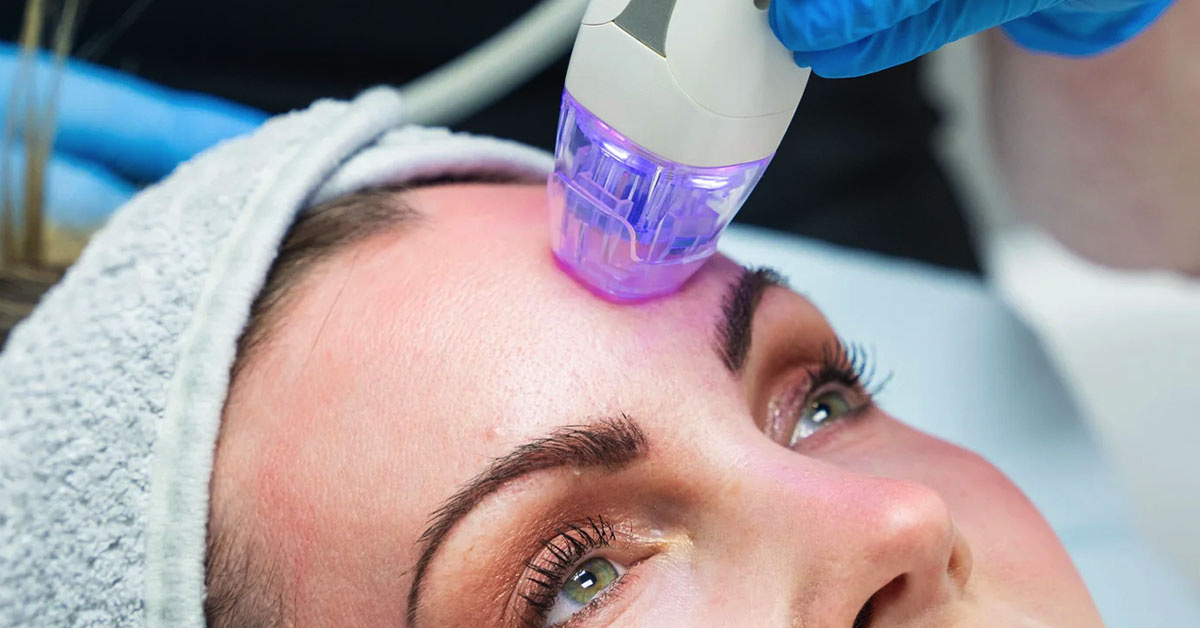
LED light therapy is often where our practitioners begin, because there are no needles, chemicals or downtime. Our Dermalux system uses red, blue and near-infrared light, and your practitioner chooses the combination for your skin, including for redness. Results build with regular sessions, usually two to three times a week for four to six weeks for a focused course, then weekly for maintenance. It's offered at all four of our clinics.
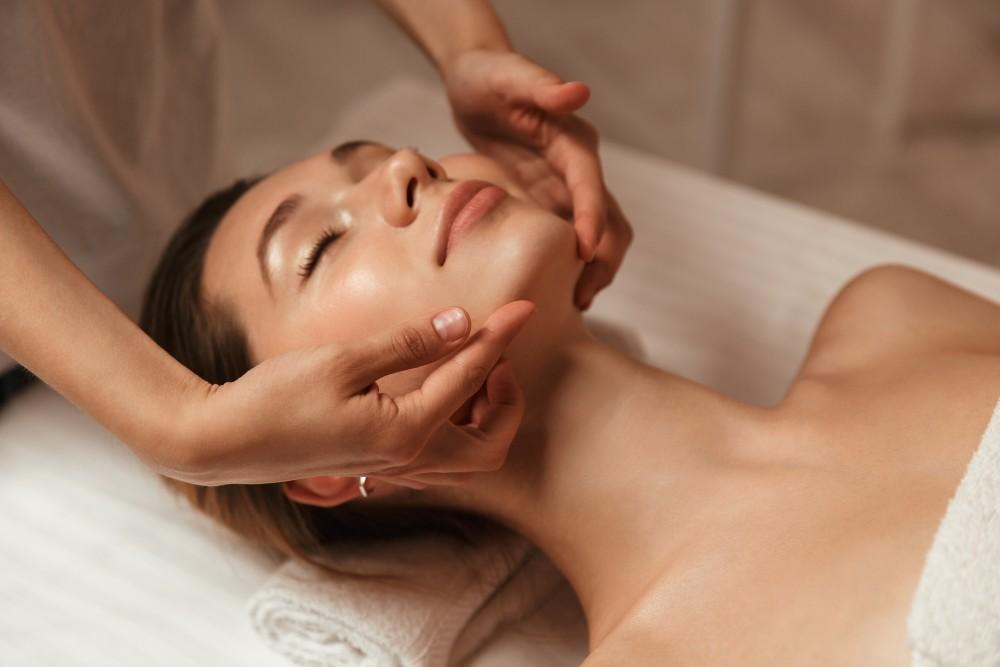
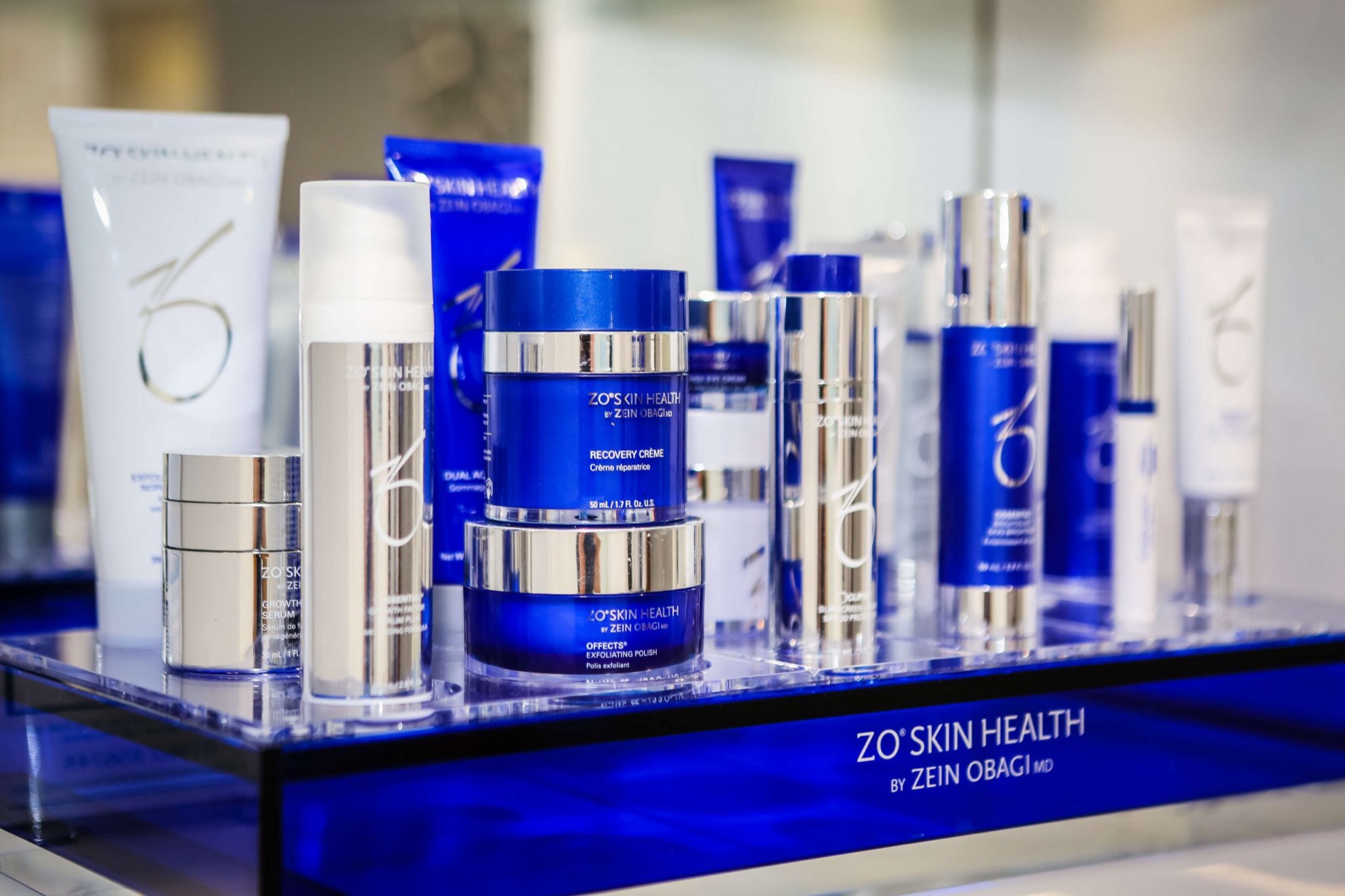
The LAYER/28™ Repair facial is made for skin that needs less, not more: skin that feels sensitised, depleted or stressed. It begins with an in-depth skin assessment and includes LED where appropriate, at Chichester, Petersfield and Bognor Regis. Our ZO Skin Health treatments include Ultra Hydration, which suits most sensitive skin, and a Rozatrol calming booster for skin prone to redness, with the ZO home range to carry on at home.
Some treatments are best avoided while your skin is flaring, including dermaplaning, stronger peels and anything that heats the skin. Visible broken blood vessels may need a different approach, which your practitioner can talk through with you.
Start with a proper look at your skin
If you're not sure what's behind your redness, or you've tried lots of products without much change, an Advanced In-Depth Skin Analysis is a good place to start. It's a 30 minute appointment where a practitioner looks at your skin with our scanner in standard, polarised and UV light, including redness, then agrees a plan for treatments and home care with you. It isn't a medical diagnosis, but it gives you a clear picture to work from, and a repeat scan later shows how your skin has changed. It's available at all four of our clinics.
When to get help quickly, and who should wait
Ask for an urgent GP appointment or call NHS 111 if you have rosacea and develop eye pain, blurred vision, sensitivity to light, a red eye or a gritty feeling in your eyes.
Every treatment starts with a consultation. Tell us about any medicines or creams you use, because some make the skin more sensitive to light, and LED isn't suitable if you take medicines like these, have epilepsy or are pregnant. We'll also ask you to wait if you have broken skin or an infection in the area.
Questions clients ask
Can a facial make rosacea worse?
The wrong one can. Hot steam, scrubs, strong peels and dermaplaning during a flare can all aggravate red, reactive skin. Our practitioners choose gentle, calming treatments and adjust them to how your skin is on the day.
Will my redness go away completely?
Rosacea is a long-term condition, so the aim is fewer flare-ups and calmer, more comfortable skin rather than a cure. Results vary from person to person, and the best outcomes usually come from gentle home care and treatment working together.
Can I wear make-up if I have rosacea?
Yes. Make-up can cover redness well. Choose fragrance-free products, remove them gently at night, and try a green-tinted primer if you'd like to tone the redness down.
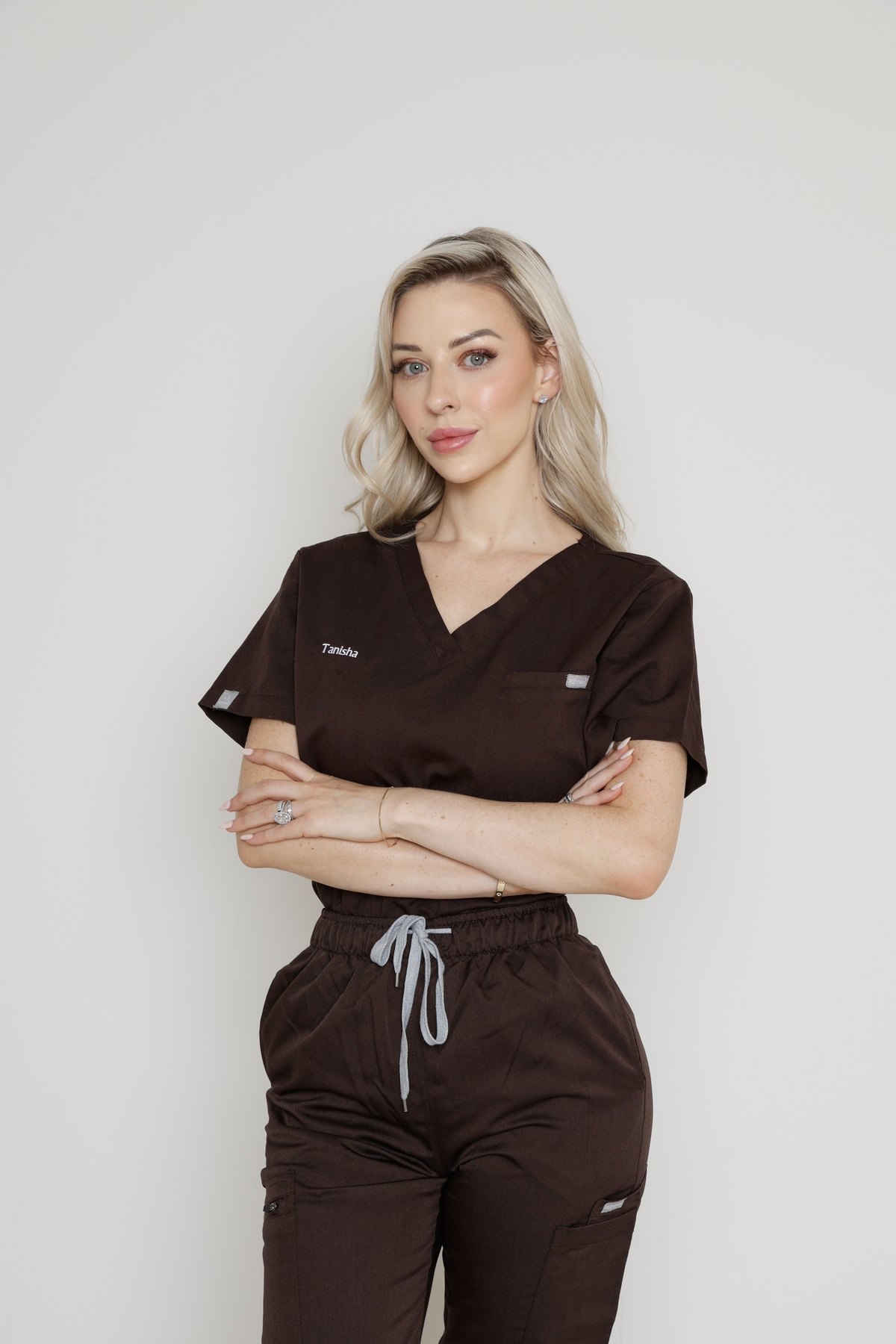
About the author
Tanisha Allen
Group Founder, Skin Expert
Founded the Group and still treats clients across its clinics. Leads the injectables side, teaches at the Academy and assists in the Group’s cosmetic plastic surgery.
More about TanishaRelated concerns: Rosacea & Redness, Sensitive Skin
This guide is general information, not medical advice. Results vary from person to person, and your practitioner will check what is suitable for you at your consultation.