For many people, the spot isn't the hardest part. It's the dark mark that stays for months after the spot has gone, and it can knock your confidence more than the breakout ever did.
The good news is that these marks aren't scars, and most fade with time. With the right care they can fade more evenly, and new ones are less likely to form. Here's what I explain to my clients.
What these marks are
When skin is inflamed, from a spot, eczema, a graze, an ingrown hair or an insect bite, the cells that make pigment can become overactive. Once the inflammation settles, that extra pigment is left behind as a flat brown, grey-brown or dark patch. This is post-inflammatory hyperpigmentation, or PIH for short.
It can affect anyone, but it tends to be more noticeable and last longer in medium and deeper skin tones, where pigment cells respond more strongly. Picking or squeezing a spot adds to the inflammation, which is one reason marks are often darker where spots have been touched.
Is it a mark or a scar?
It helps to know what you're looking at, because each one needs a different approach:
- Dark marks (PIH): flat and brown to grey-brown. Run a finger over the skin and the surface feels unchanged.
- Red or pink marks: also flat, and more common in lighter skin. These are linked to inflammation and small blood vessels rather than pigment, and usually fade over time.
- Acne scars: a change in texture, such as a dip, a pitted mark or a raised bump. Scars need different treatments, which our practitioners can talk through with you.
Not sure which treatment is right for you?
Answer five quick questions and we will suggest where to start, at the clinic nearest you.
How long marks take to fade
Most marks fade gradually on their own. Lighter marks near the surface may settle within a few months, while deeper or darker marks can take much longer, sometimes a year or more. Sun and new breakouts in the same area can keep them going, so prevention matters as much as treatment.
Many people have a mix of marks, redness and scarring. An Advanced In-Depth Skin Analysis photographs your skin in standard, polarised and UV light. It shows your practitioner what's pigment, what's redness and what's texture.
What you can do at home
These steps help marks fade and stop new ones forming:
- Settle the breakouts first, because every new spot can leave a new mark.
- Try not to pick, squeeze or scratch, however tempting it is.
- Wear SPF 30 or higher with at least 4-star UVA protection every day, as UV darkens marks and slows fading.
- Use gentle skincare and skip harsh scrubs, which inflame the skin.
- Introduce one active ingredient at a time, such as vitamin C in the morning or a gentle exfoliating acid or retinol in the evening, so you can see how your skin responds.
- Avoid skin-lightening creams bought online or from market stalls. Some contain ingredients that aren't allowed in UK cosmetics and can harm the skin.
Clinic treatments, chosen for your skin tone
Because irritation can create new marks, our practitioners choose treatments carefully and build up gradually, especially for medium and deeper skin tones:
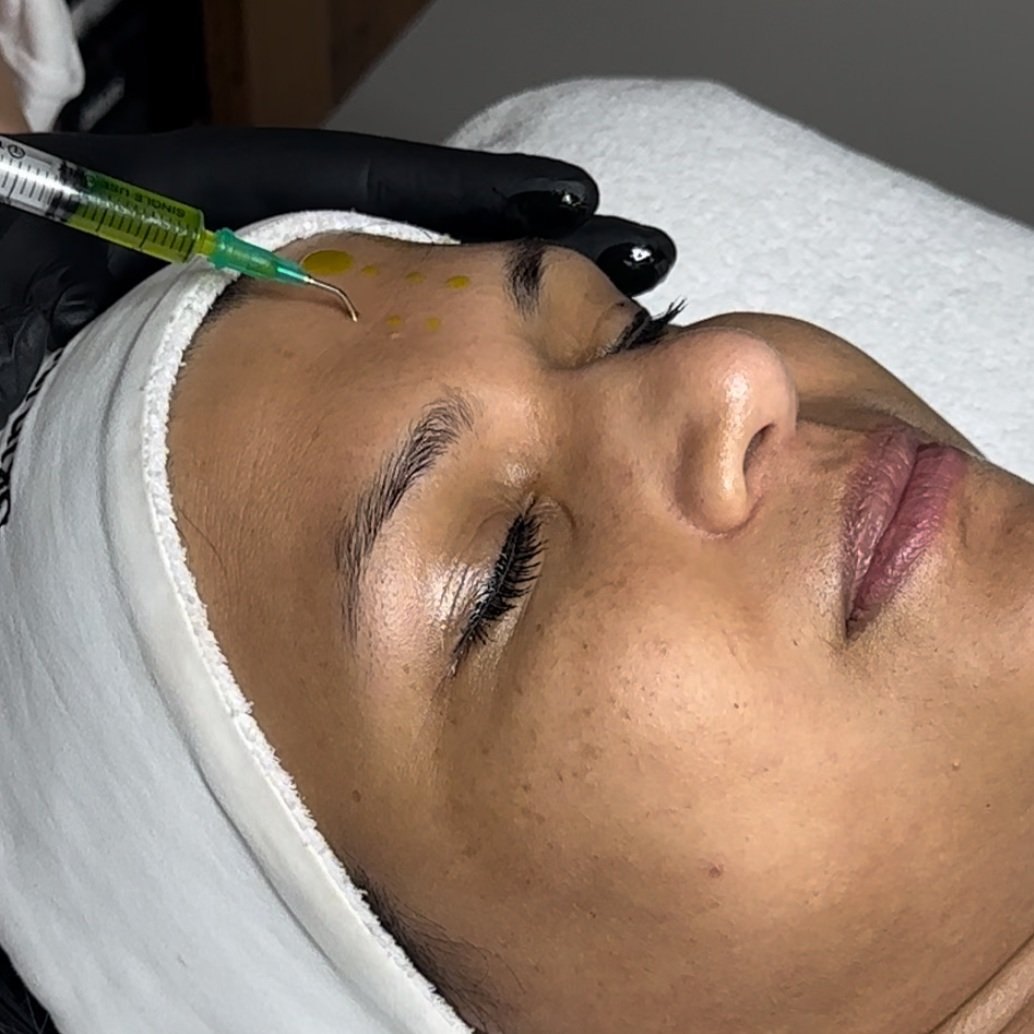
- Chemical peels: a course of professional peels can help even out tone. The ZO Restorative Peel, with mandelic, lactic and citric acids, suits post-inflammatory pigmentation and sensitive skin.
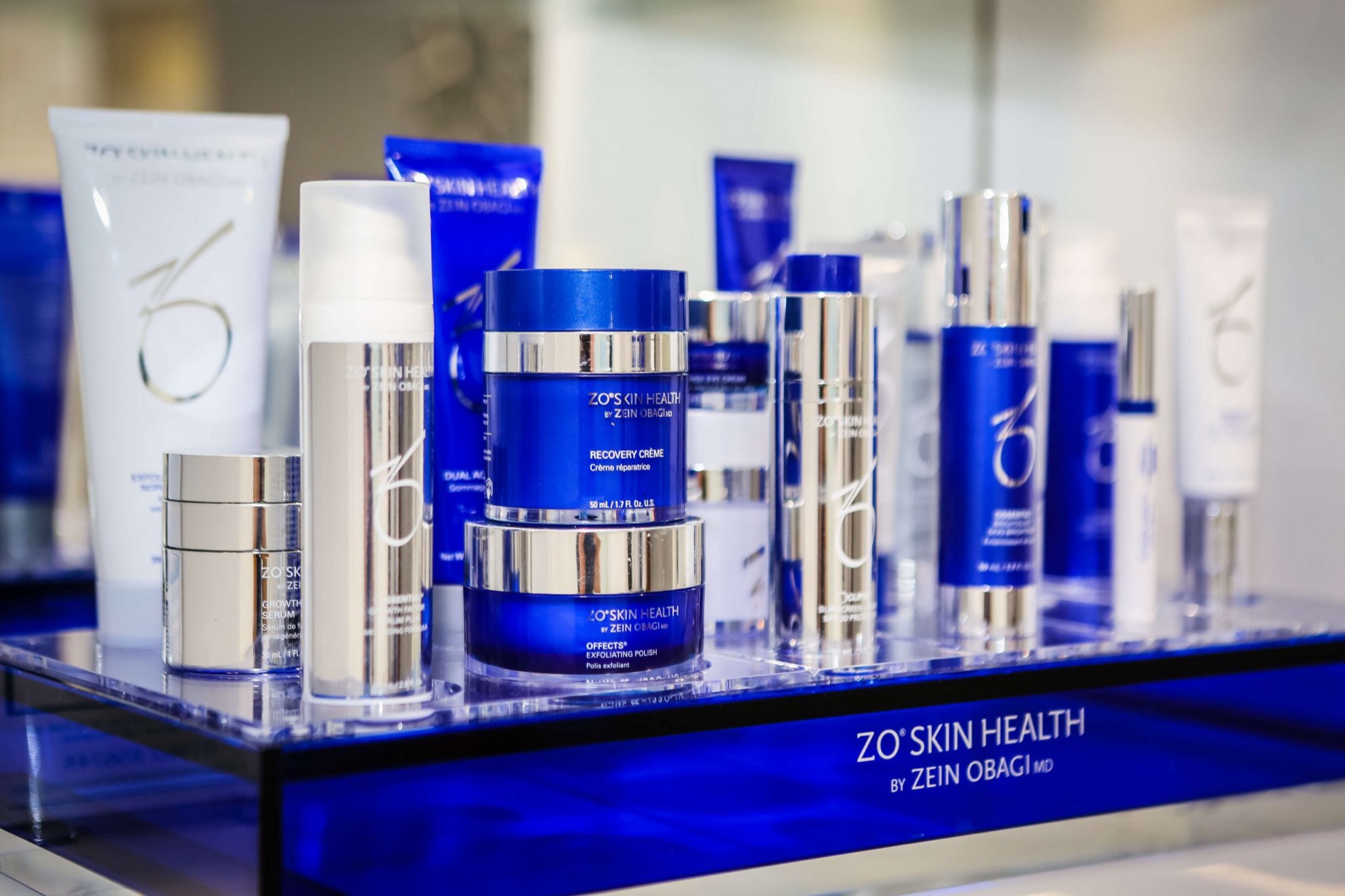
- ZO Skin Health facials and home care: your practitioner can build you a routine from the ZO Skin Health and AlumierMD ranges we stock.
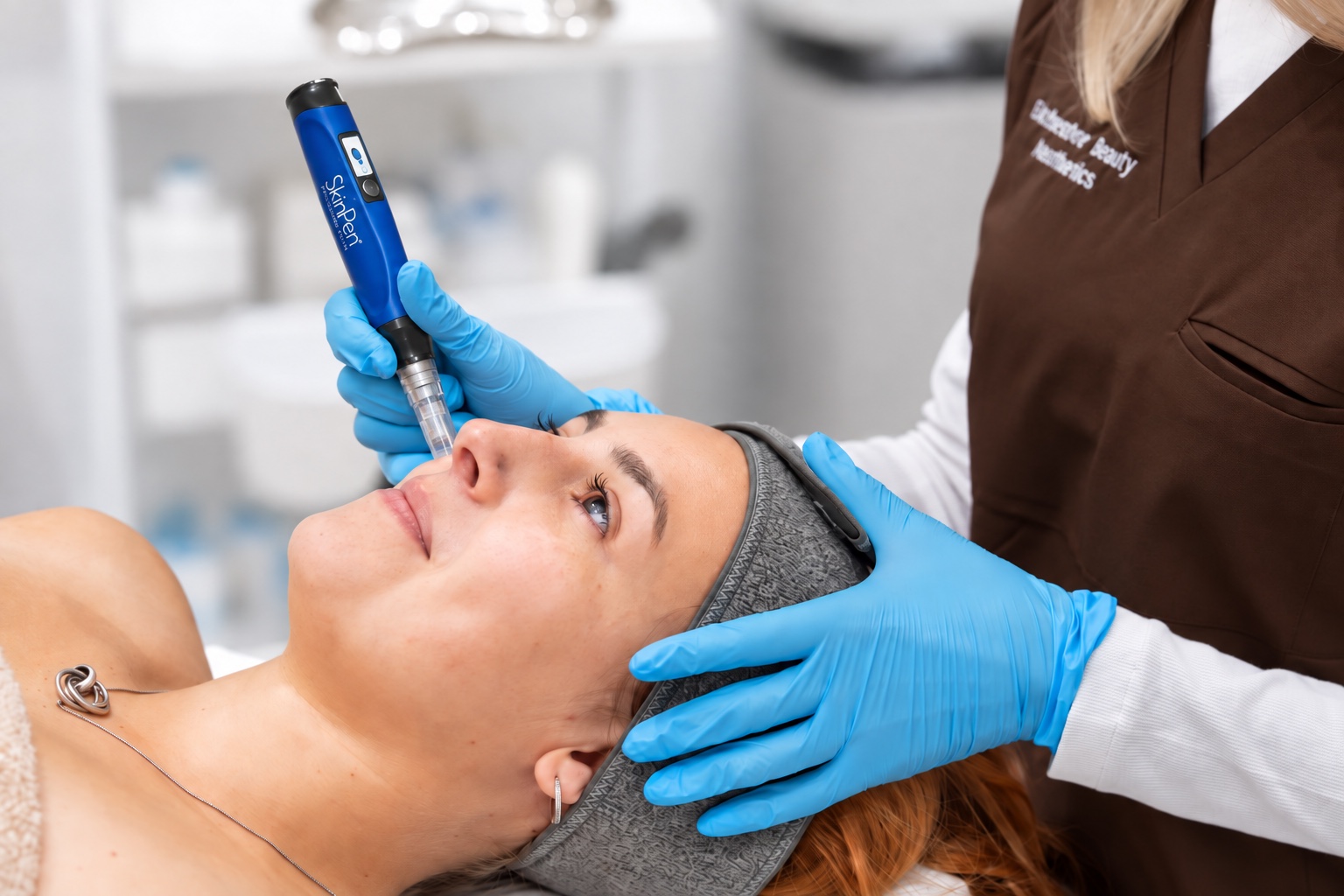
- SkinPen: medical microneedling with no heat, suitable for all skin tones, which can help with uneven tone and texture over a course. It isn't used over active breakouts.
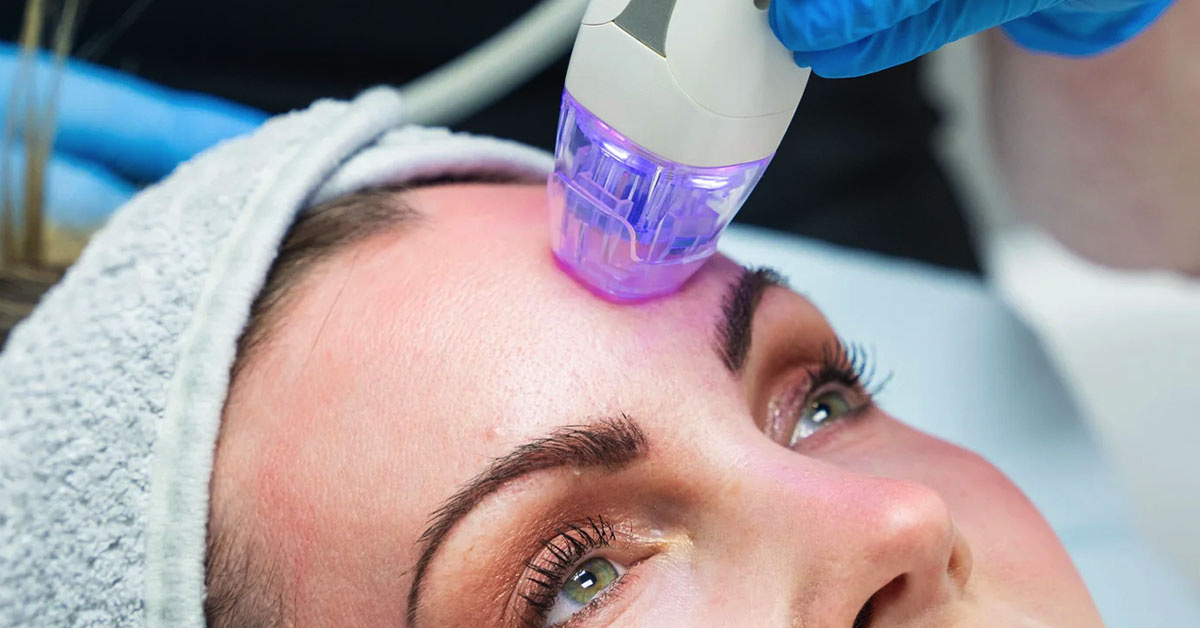
- Laser pigmentation treatment: available at Chichester after a patch test, for all skin types and tones. Your practitioner may suggest peels, skincare or SkinPen instead if they would suit your marks better.
When to get it checked, and who should wait
See your GP if a dark patch appeared without a spot or injury before it, if it's spreading, raised, itchy or bleeding, or if you have a mole or mark that's new or changing.
Before peels, microneedling or laser, we may ask you to wait if you're pregnant or breastfeeding, have a tan, or have broken skin or a cold sore in the area. If you take or have recently taken prescription skin medication, tell us at your consultation.
Questions clients ask
Will my dark marks fade on their own?
Most do, gradually. It can take many months, especially in deeper skin tones, and daily SPF and not picking help them fade more evenly. Treatment can help too, and results vary from person to person.
Why do my marks look darker in summer?
UV encourages your skin to make more pigment, so marks often darken in the sun. Daily SPF, and a hat on bright days, help all year round.
Can I treat marks while I still have breakouts?
Gently, yes, with the right skincare and some peels, but settling the breakouts comes first. Microneedling and laser aren't used over active spots, so your practitioner will plan the order with you.
Is laser the quickest option?
Not always. We treat all skin types and tones with laser, after a patch test, but some marks respond better to peels, skincare or SkinPen, and your practitioner will tell you honestly which suits yours.
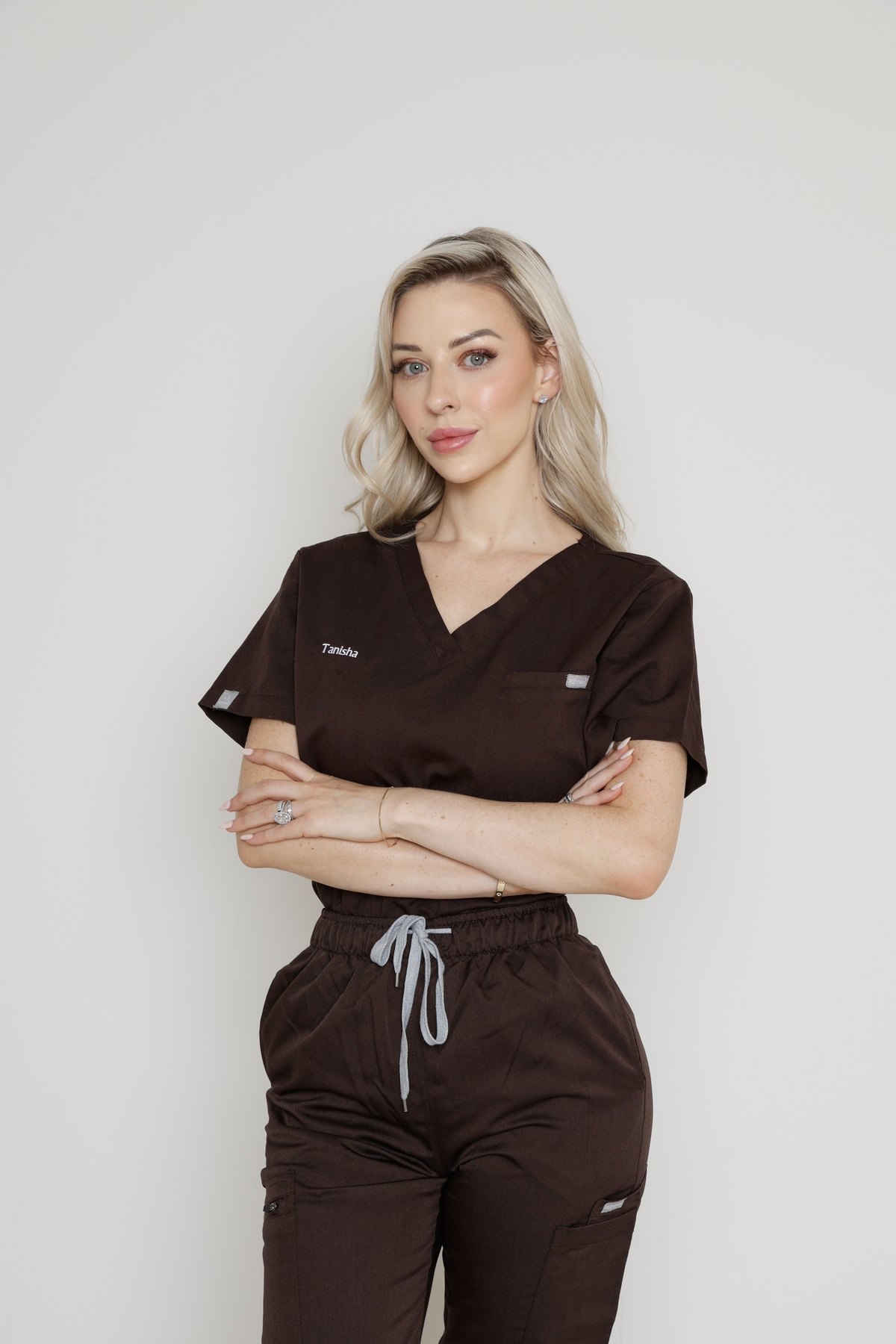
About the author
Tanisha Allen
Group Founder, Skin Expert
Founded the Group and still treats clients across its clinics. Leads the injectables side, teaches at the Academy and assists in the Group’s cosmetic plastic surgery.
More about TanishaRelated concerns: Pigmentation, Acne & Breakouts, Acne Scarring
This guide is general information, not medical advice. Results vary from person to person, and your practitioner will check what is suitable for you at your consultation.